The Virtual OS Museum vs Prelint
Side-by-side comparison of features, pros & cons, pricing, and community votes (2026).
🏆 Prelint leads with 664 upvotes
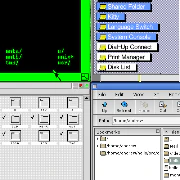
Relive vintage operating systems right on your desktop
The Virtual OS Museum offers a unique and comprehensive platform for enthusiasts, developers, and educators to explore and relive the history of computing through over 1,700 pre-installed vintage operating systems, dating from 1948 to the present day. Delivered within a single Linux virtual machine, this tool simplifies the process of accessing and running a wide array of OS environments without the need for complex setup or multiple installations. Its bundled support for popular virtualization tools like QEMU, VirtualBox, and UTM, along with one-click launchers for Windows and Linux, makes it accessible and user-friendly for both novices and experienced users. This expansive collection is perfect for historical exploration, software testing, educational demonstrations, and nostalgia trips, providing a rare chance to interact with decades of computing evolution in one convenient platform.
Pros
- Extensive collection of vintage operating systems spanning over 70 years
- Simplified one-click launching via integrated tools and support for multiple virtualization platforms
- All-in-one solution within a single Linux VM, reducing setup complexity
- Ideal for educational purposes, software preservation, and historical research
- Open source nature allows for customization and community contributions
Cons
- Requires some familiarity with virtualization environments for optimal use
- Potentially resource-intensive due to the large number of OS images
- No clear information on ongoing updates or support from the developers
Best for
- • Educational demonstrations of the evolution of operating systems
- • Software preservation and archival of vintage OS environments
- • Testing and development across multiple historical platforms
- • Nostalgia and hobbyist exploration of vintage computing
Pricing: Likely free and open source, given its open source category and the nature of virtual machine distributions; however, specific licensing details are not explicitly provided.

Prevent product drift in AI-written code
Prelint is an innovative AI-powered code review tool designed to ensure code quality and consistency in teams leveraging AI-generated code. By automatically reviewing pull requests against architectural decision records (ADRs), documentation, and past decisions, Prelint helps prevent product drift and maintains alignment with project standards. Its unique capability to catch issues early—especially in environments where multiple AI reviewers are used—makes it an essential addition for modern development workflows. With the ability to identify approximately 40% of issues before merging, Prelint significantly reduces bugs and rework, leading to more reliable and maintainable codebases. Ideal for software engineering teams seeking to integrate AI into their CI/CD pipeline, it offers a proactive approach to code validation that complements traditional review processes.
Pros
- Automates comprehensive code review against ADRs, docs, and past decisions
- Prevents product drift early in the development lifecycle
- Reduces post-deployment bugs and rework
- Enhances team collaboration by enforcing standards
- Effective in environments with multiple AI reviewers
Cons
- May require initial setup to align with specific ADRs and documentation
- Dependent on the quality of input data and existing documentation
- Potential false positives in complex or rapidly evolving projects
Best for
- • Reviewing AI-generated code to ensure adherence to project standards
- • Preventing feature creep and maintaining product consistency
- • Automating code review in CI/CD pipelines
- • Supporting teams using multiple AI code reviewers
Pricing: Likely operates on a subscription-based model, possibly with tiered plans based on team size or usage volume. A free tier or trial may be available to evaluate its capabilities before committing to paid plans.