Loglens vs Claude Import Memory
Side-by-side comparison of features, pros & cons, pricing, and community votes (2026).
🏆 Claude Import Memory leads with 716 upvotes
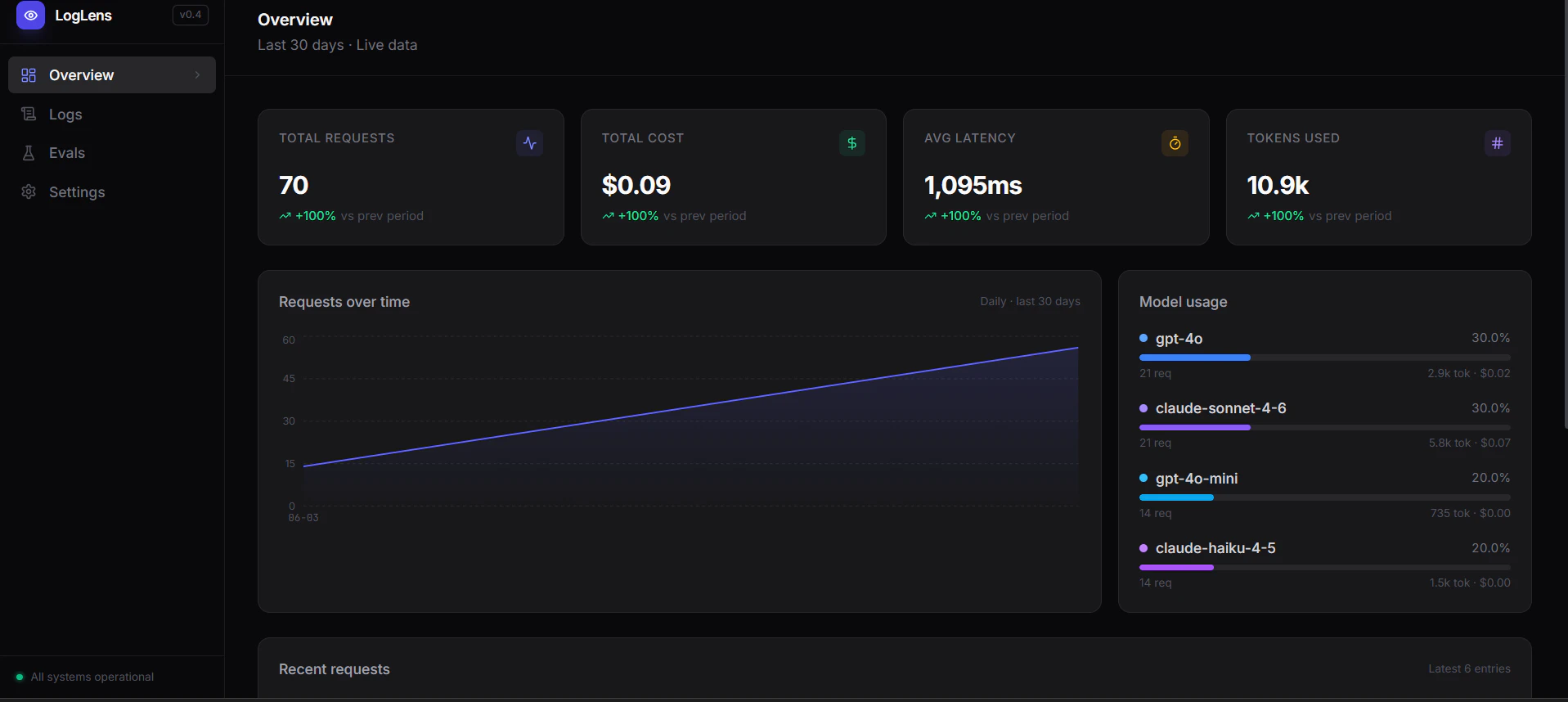
One line of code, Full AI visibility.
Loglens is an innovative observability platform designed specifically for developers working with AI integrations, particularly those utilizing large language models like Anthropic and OpenAI. By adding a single line of code, developers gain automatic, comprehensive logging of every call made to these AI services, capturing essential details such as prompts, completions, latency, token usage, costs, and errors. Its zero-proxy setup and compatibility with both TypeScript and Python make integration seamless, eliminating the need for framework lock-in. Built-in features like cost alerts help prevent unexpected bills, while detailed error tracking visually highlights failures, enabling quicker troubleshooting. Loglens simplifies monitoring AI interactions, allowing developers to focus on building smarter, more reliable AI-powered applications without worrying about complex setup processes.
Pros
- Easy one-line integration with no proxy setup required
- Supports both TypeScript and Python, broad compatibility
- Automatic logging of detailed AI call metrics and errors
- Built-in cost alerts to prevent overspending
- Clear error visualization for quick troubleshooting
Cons
- Currently lacks advanced analytics or custom reporting features
- No mention of team collaboration or multi-user support
- Limited information on pricing tiers or enterprise options
Best for
- • Monitoring and debugging AI calls in production environments
- • Tracking costs and optimizing prompts for budget efficiency
- • Error detection and troubleshooting for AI integrations
- • Performance analysis of LLM-based features in apps
Pricing: Loglens offers a free tier with no credit card required, likely including basic features. Paid plans are probably available with additional capabilities or higher usage limits, following a freemium model.

Switch from ChatGPT to Claude with import memory feature
Claude Import Memory offers a seamless way for users to transition their AI workflows from other providers to Claude by importing preferences, projects, and contextual data with a simple copy-paste. This feature ensures that users can switch AI assistants without losing valuable insights or customization, making it ideal for businesses or individuals seeking continuity and efficiency. Its standout feature is the ability to quickly update Claude’s memory, allowing the AI to pick up right where the user left off, thereby saving time and maintaining productivity. Available on all paid plans, this tool emphasizes flexibility and ease of migration, making it attractive for users who want to switch AI providers without starting from scratch. With a user-friendly approach and robust memory transfer capabilities, Claude Import Memory enhances the overall AI experience by bridging the gap between different platforms effortlessly.
Pros
- Simple and quick memory import process with copy-paste functionality
- Ensures continuity by preserving preferences, projects, and context
- Available on all paid plans, making it accessible for various users
- Helps users switch AI providers without losing valuable data or customization
Cons
- Limited details on the extent of memory transfer capabilities
- Potential learning curve for new users unfamiliar with import procedures
- Dependent on paid plans; may not be available on free tiers
Best for
- • Switching from ChatGPT or other AI providers to Claude without losing context
- • Migrating ongoing projects to Claude for better integration
- • Consolidating AI workflows across multiple platforms
- • Preserving user preferences during platform upgrades or changes
Pricing: Likely operates on a subscription-based model with memory import features included in all paid plans, though specific pricing details are not publicly disclosed.