Figma code layers vs Framer 3.0
Side-by-side comparison of features, pros & cons, pricing, and community votes (2026).
🏆 Figma code layers leads with 0 upvotes

Design, code and specs together on one Figma canvas
Figma Code Layers is an innovative extension that seamlessly integrates code, design, and specifications directly within the Figma canvas. It allows designers and developers to work collaboratively by embedding live code next to their designs, making it easier to visualize, compare, and iterate on both design and development aspects in one unified space. Users can generate code from various sources such as a frame, a GitHub repository, a webpage via a Chrome extension, or through the Figma agent, providing multiple flexible options for code integration. Additionally, the platform enables users to convert code states back into editable design layers, fostering a dynamic and iterative workflow. Figma Specs further enrich the canvas by adding detailed design and technical requirements, while Payload connects real data to Make, enhancing prototypes with real-world content. Currently in public beta, Figma Code Layers is tailored for teams seeking a more integrated and transparent design-to-development process.
Pros
- Integrates code, design, and specs seamlessly within Figma
- Multiple options for generating code, including GitHub and Chrome extension
- Enables side-by-side comparison of design and code
- Supports converting code states back into editable layers
- Enhances collaboration between designers and developers
Cons
- Currently in public beta, which may mean limited stability or features
- Potential learning curve for users unfamiliar with code integration
- May not support all development frameworks or code types
Best for
- • Designers and developers collaborating on interactive prototypes
- • Generating code directly from Figma for frontend development
- • Comparing design iterations with corresponding code versions
- • Embedding technical specifications alongside visual designs
Pricing: Pricing not verified
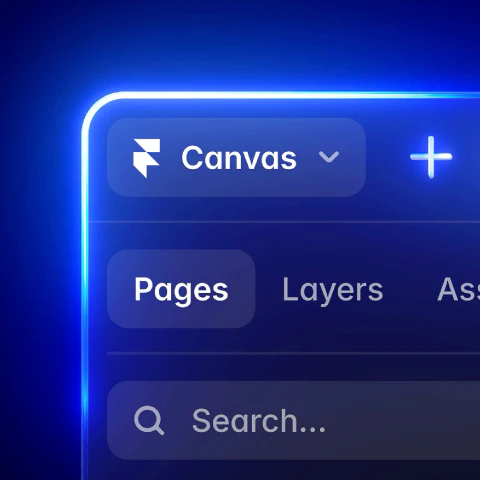
With Agents, Branching, Community, and an all-new design
Framer 3.0 introduces a fresh approach to website creation by integrating advanced AI capabilities directly into the design process. With the new Agents feature, users can leverage AI to assist in designing, writing content, analyzing site performance, and organizing project elements seamlessly on the canvas. The addition of Branching allows teams to experiment with multiple ideas and versions before launching, fostering collaboration and innovation. The platform also debuts the Framer Community, a vibrant space where creators can share their projects, gain feedback, and earn recognition. Combining these features, Framer 3.0 is tailored for designers, developers, and teams looking for a powerful, collaborative, and AI-enhanced website building experience. Its intuitive interface and innovative tools set it apart as a comprehensive solution for modern web development and creative exploration.
Pros
- AI-powered Agents streamline design, writing, and analysis tasks
- Branching fosters collaborative experimentation and idea exploration
- Community platform encourages sharing, feedback, and monetization
- All-new, modern design interface enhances user experience
- Suitable for teams and individual creators seeking scalable solutions
Cons
- Learning curve for new users unfamiliar with AI integrations
- May require a subscription for full feature access
- Limited information on specific pricing tiers and plans
Best for
- • Rapid prototyping and iterative website design
- • Collaborative brainstorming and idea exploration with Branching
- • Creating content with AI assistance for faster deployment
- • Sharing projects and gaining community feedback
Pricing: Likely operates on a freemium model, offering basic features for free with premium plans that unlock advanced AI tools, collaboration options, and community monetization features. Exact pricing details are not specified but are expected to be subscription-based.