Fei Design Mode vs Framer 3.0
Side-by-side comparison of features, pros & cons, pricing, and community votes (2026).
🏆 Fei Design Mode leads with 0 upvotes

The OS for Building in Production
Fei Design Mode transforms how designers and developers collaborate by offering a seamless, in-production editing environment. It enables designers to directly modify live UI elements—simply point, tweak styles visually, and push changes straight to the codebase without traditional handoffs or translation layers. This approach ensures that what designers see is exactly what ships, reducing errors and accelerating the development process. Compatible with popular design tools like Figma and Claude Design, Fei Design Mode empowers designers with real superpowers, streamlining workflows and fostering more iterative, high-fidelity design adjustments in real-time. Its innovative 'OS for building in production' concept makes it particularly appealing for teams eager to bridge the gap between design and development effortlessly.
Pros
- Direct editing of live UI elements without handoff or translation layers
- Visual style tweaking with immediate push to codebase
- Integration with popular design tools like Figma and Claude Design
- Reduces development cycles and minimizes errors
- Empowers designers with more control and ownership
Cons
- Limited information on pricing and scalability options
- Potential learning curve for teams unfamiliar with live editing workflows
- Depends on integration stability with existing codebases and tools
Best for
- • Rapid iteration of UI designs directly in production environment
- • Reducing back-and-forth between designers and developers
- • Prototyping and testing UI changes in real-time
- • Empowering designers to make final adjustments without developer intervention
Pricing: Likely operates on a freemium model with free basic features and paid plans that scale according to team size, features, or usage, though specific details are not publicly confirmed.
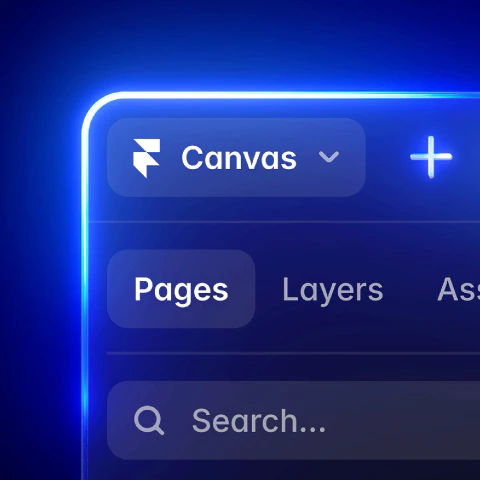
With Agents, Branching, Community, and an all-new design
Framer 3.0 introduces a fresh approach to website creation by integrating advanced AI capabilities directly into the design process. With the new Agents feature, users can leverage AI to assist in designing, writing content, analyzing site performance, and organizing project elements seamlessly on the canvas. The addition of Branching allows teams to experiment with multiple ideas and versions before launching, fostering collaboration and innovation. The platform also debuts the Framer Community, a vibrant space where creators can share their projects, gain feedback, and earn recognition. Combining these features, Framer 3.0 is tailored for designers, developers, and teams looking for a powerful, collaborative, and AI-enhanced website building experience. Its intuitive interface and innovative tools set it apart as a comprehensive solution for modern web development and creative exploration.
Pros
- AI-powered Agents streamline design, writing, and analysis tasks
- Branching fosters collaborative experimentation and idea exploration
- Community platform encourages sharing, feedback, and monetization
- All-new, modern design interface enhances user experience
- Suitable for teams and individual creators seeking scalable solutions
Cons
- Learning curve for new users unfamiliar with AI integrations
- May require a subscription for full feature access
- Limited information on specific pricing tiers and plans
Best for
- • Rapid prototyping and iterative website design
- • Collaborative brainstorming and idea exploration with Branching
- • Creating content with AI assistance for faster deployment
- • Sharing projects and gaining community feedback
Pricing: Likely operates on a freemium model, offering basic features for free with premium plans that unlock advanced AI tools, collaboration options, and community monetization features. Exact pricing details are not specified but are expected to be subscription-based.