Codex GPU Queue vs Pancake
Side-by-side comparison of features, pros & cons, pricing, and community votes (2026).
🏆 Pancake leads with 568 upvotes
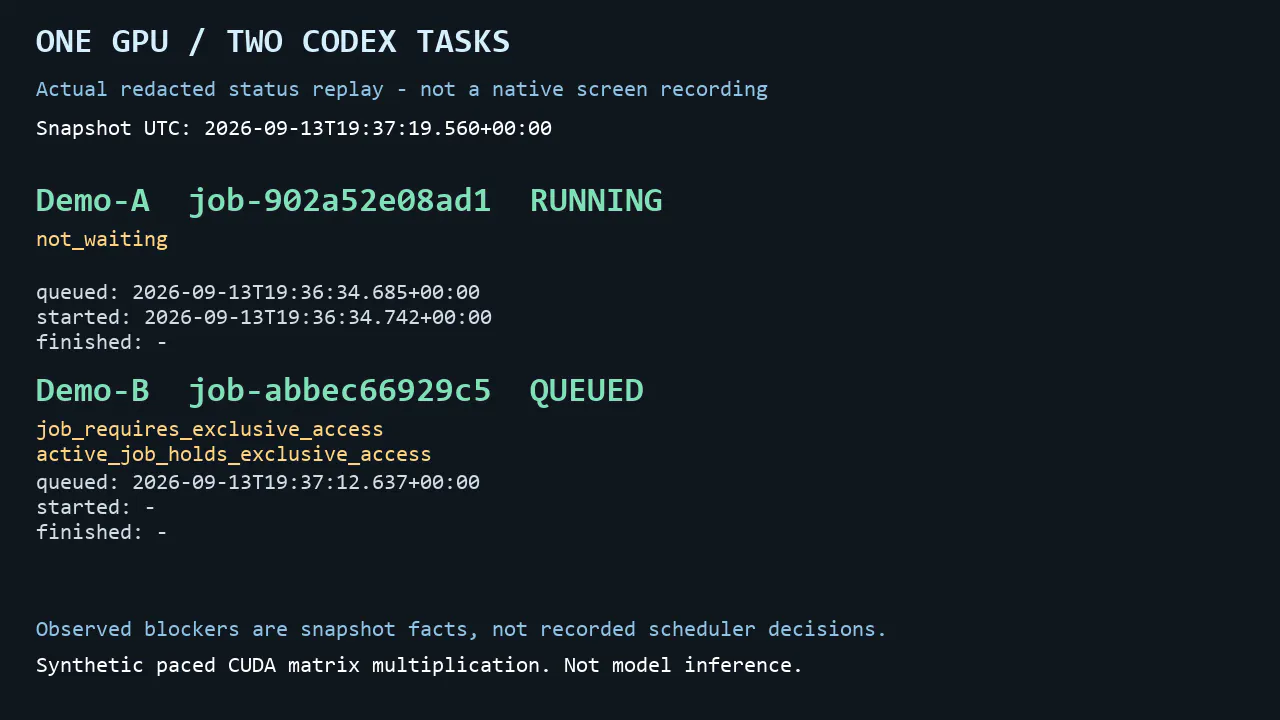
Run GPU jobs from multiple Codex tasks via one Windows queue
Codex GPU Queue is a specialized tool designed to streamline the management of GPU jobs originating from multiple Codex tasks. It allows users to run and coordinate GPU workloads via a single Windows-based queue, simplifying the process of handling multiple tasks that require GPU resources. The shared broker mechanism automatically starts eligible jobs, reducing manual intervention and enhancing efficiency. Its read-only CLI provides transparency by showing confirmed waiting blockers in a redacted format, helping users identify potential bottlenecks, although some uncertain reasons remain undisclosed. This tool is particularly valuable for developers, AI practitioners, and teams working with GPU-intensive tasks who need to optimize resource allocation and workflow automation. Its unique design integrates seamlessly into existing development environments, making GPU job management more intuitive and less error-prone.
Pros
- Simplifies management of multiple GPU tasks from a single queue
- Automates job start process with shared broker
- Provides read-only CLI for transparency on job blockers
- Ideal for AI developers and teams handling GPU workloads
Cons
- Limited visibility into some unknown job blockers
- Requires Windows environment, restricting cross-platform use
- No detailed pricing information available
Best for
- • Managing multiple AI training or inference jobs from different Codex tasks
- • Automating GPU workload scheduling in development pipelines
- • Monitoring and troubleshooting GPU job blockers
- • Optimizing GPU resource use in machine learning projects
Pricing: Pricing not verified

The Vercel for GTM
Pancake positions itself as the 'Vercel for GTM,' offering a streamlined platform for deploying and managing go-to-market strategies powered by AI. It provides users with the building blocks to launch and scale GTM initiatives using AI agents like Claude or Codex, making complex processes more accessible and efficient. The platform includes a GTM Brain, sending infrastructure, and access to over 40 data providers and enrichment tools, all integrated through a single MCP connection. This makes it ideal for sales and marketing teams seeking to automate and optimize their outreach, targeting, and data enrichment workflows with minimal technical overhead. Its modular approach allows organizations to rapidly experiment, deploy, and iterate on GTM ideas, leveraging AI-driven insights and automation for competitive advantage.
Pros
- Comprehensive integration of data providers and enrichment tools
- Simplifies deployment of AI-driven GTM strategies
- Single MCP connection streamlines setup and management
- Flexible architecture supports rapid experimentation
- Empowers teams with automation and AI capabilities
Cons
- New product with limited user adoption and reviews
- Potential learning curve for non-technical users
- Details on pricing and plans are not explicitly provided
Best for
- • Automating lead generation and qualification with AI agents
- • Personalizing marketing outreach at scale
- • Data enrichment for improved targeting and segmentation
- • Rapid deployment of new GTM campaigns
Pricing: Pricing not verified