Codex GPU Queue vs Kilo Code Reviewer
Side-by-side comparison of features, pros & cons, pricing, and community votes (2026).
🏆 Kilo Code Reviewer leads with 788 upvotes
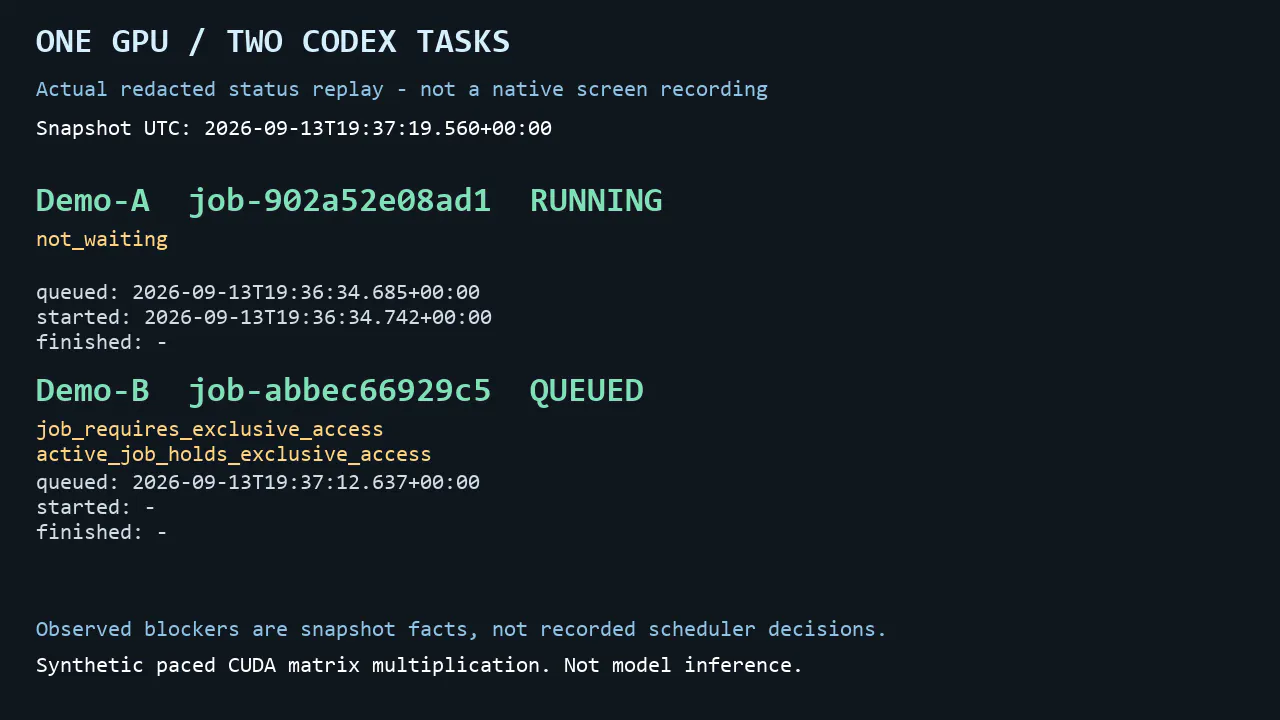
Run GPU jobs from multiple Codex tasks via one Windows queue
Codex GPU Queue is a specialized tool designed to streamline the management of GPU jobs originating from multiple Codex tasks. It allows users to run and coordinate GPU workloads via a single Windows-based queue, simplifying the process of handling multiple tasks that require GPU resources. The shared broker mechanism automatically starts eligible jobs, reducing manual intervention and enhancing efficiency. Its read-only CLI provides transparency by showing confirmed waiting blockers in a redacted format, helping users identify potential bottlenecks, although some uncertain reasons remain undisclosed. This tool is particularly valuable for developers, AI practitioners, and teams working with GPU-intensive tasks who need to optimize resource allocation and workflow automation. Its unique design integrates seamlessly into existing development environments, making GPU job management more intuitive and less error-prone.
Pros
- Simplifies management of multiple GPU tasks from a single queue
- Automates job start process with shared broker
- Provides read-only CLI for transparency on job blockers
- Ideal for AI developers and teams handling GPU workloads
Cons
- Limited visibility into some unknown job blockers
- Requires Windows environment, restricting cross-platform use
- No detailed pricing information available
Best for
- • Managing multiple AI training or inference jobs from different Codex tasks
- • Automating GPU workload scheduling in development pipelines
- • Monitoring and troubleshooting GPU job blockers
- • Optimizing GPU resource use in machine learning projects
Pricing: Pricing not verified

Automatic AI-powered code reviews the moment you open a PR
Kilo Code Reviewer is an AI-powered tool designed to streamline the code review process by providing instant feedback on pull requests. Targeted at developers, teams, and open-source projects, it leverages over 500 models—including Claude, GPT, Gemini, and free options—to analyze code, suggest improvements, identify bugs, and enforce quality standards before merging. Its real-time review capability helps teams maintain high code quality without slowing down development cycles. What sets Kilo Code Reviewer apart is its extensive model selection, allowing users to tailor the review process based on their specific needs or preferences, and its seamless integration with GitHub, making it a natural addition to existing workflows.
Pros
- Supports over 500 AI models for customizable review experiences
- Provides instant, automated feedback on pull requests
- Helps catch bugs and enforce coding standards early
- Easy GitHub integration for streamlined workflows
- Suitable for open-source projects and enterprise teams alike
Cons
- Model selection and configuration may be complex for new users
- Potential cost implications based on model usage and volume
- Reliance on AI may occasionally miss nuanced code issues
Best for
- • Automating code reviews for open source projects to speed up merge cycles
- • Ensuring consistent code quality across large development teams
- • Pre-merge bug detection to reduce post-deployment fixes
- • Enforcing coding standards and best practices automatically
Pricing: Likely operates on a freemium model with free tiers available; paid plans probably start around a moderate monthly fee based on usage volume and model selection, with enterprise options for larger teams.