Codex GPU Queue vs Clipto MCP
Side-by-side comparison of features, pros & cons, pricing, and community votes (2026).
🏆 Clipto MCP leads with 585 upvotes
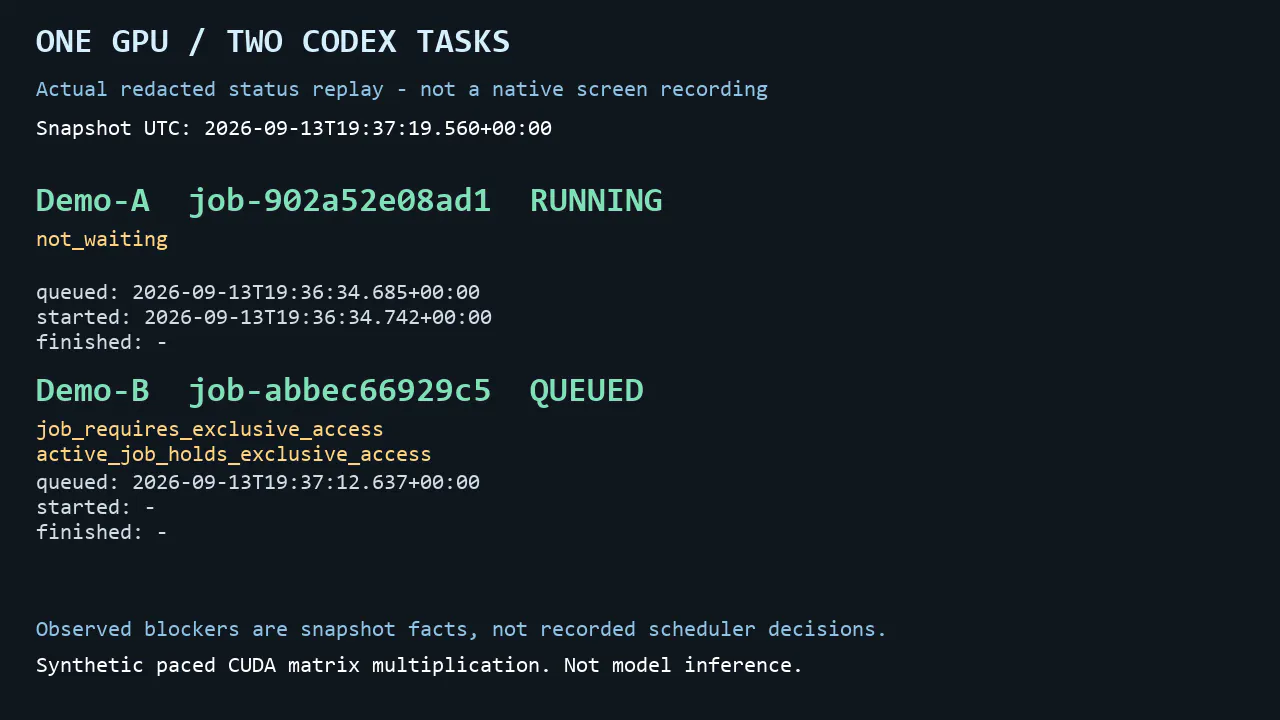
Run GPU jobs from multiple Codex tasks via one Windows queue
Codex GPU Queue is a specialized tool designed to streamline the management of GPU jobs originating from multiple Codex tasks. It allows users to run and coordinate GPU workloads via a single Windows-based queue, simplifying the process of handling multiple tasks that require GPU resources. The shared broker mechanism automatically starts eligible jobs, reducing manual intervention and enhancing efficiency. Its read-only CLI provides transparency by showing confirmed waiting blockers in a redacted format, helping users identify potential bottlenecks, although some uncertain reasons remain undisclosed. This tool is particularly valuable for developers, AI practitioners, and teams working with GPU-intensive tasks who need to optimize resource allocation and workflow automation. Its unique design integrates seamlessly into existing development environments, making GPU job management more intuitive and less error-prone.
Pros
- Simplifies management of multiple GPU tasks from a single queue
- Automates job start process with shared broker
- Provides read-only CLI for transparency on job blockers
- Ideal for AI developers and teams handling GPU workloads
Cons
- Limited visibility into some unknown job blockers
- Requires Windows environment, restricting cross-platform use
- No detailed pricing information available
Best for
- • Managing multiple AI training or inference jobs from different Codex tasks
- • Automating GPU workload scheduling in development pipelines
- • Monitoring and troubleshooting GPU job blockers
- • Optimizing GPU resource use in machine learning projects
Pricing: Pricing not verified

Let agents source clips from terabytes of your local video
Clipto MCP is an innovative AI-powered tool designed to transform how users manage and extract media from large collections of local videos, photos, and audio recordings. By integrating with AI agents like Claude and ChatGPT, it allows users to effortlessly source specific clips or segments through natural language descriptions, eliminating the need for manual browsing. Whether turning scripts into videos, locating scenes with particular topics, or creating rough cuts, Clipto MCP acts as a virtual assistant that streamlines media editing and searching processes. Its ability to handle terabytes of media and provide precise, context-aware results makes it especially valuable for content creators, video editors, and digital archivists seeking efficiency and automation in media management. What sets it apart is its seamless integration with AI agents, transforming complex file searches into simple conversational commands, saving time and effort while enhancing productivity.
Pros
- Enables natural language-based media searches and sourcing
- Handles large media libraries efficiently
- Integrates smoothly with AI assistants like Claude and ChatGPT
- Speeds up editing, research, and content creation workflows
- Reduces manual browsing and tedious file management
Cons
- Limited information on pricing and subscription models
- Requires familiarity with AI tools and commands
- Potentially dependent on AI accuracy for precise results
Best for
- • Turning scripts into videos by matching sentences with local footage
- • Finding all scenes or segments where specific topics or keywords are mentioned
- • Creating rough cuts or highlights from extensive video libraries
- • Searching and organizing media for archival or research purposes
Pricing: Likely operates on a freemium or subscription-based model, with basic features possibly available for free and paid plans offering advanced capabilities, especially for handling large media libraries and AI integrations. Exact pricing details are not publicly specified.