Waloscan vs Occulta
Side-by-side comparison of features, pros & cons, pricing, and community votes (2026).
🏆 Waloscan leads with 0 upvotes
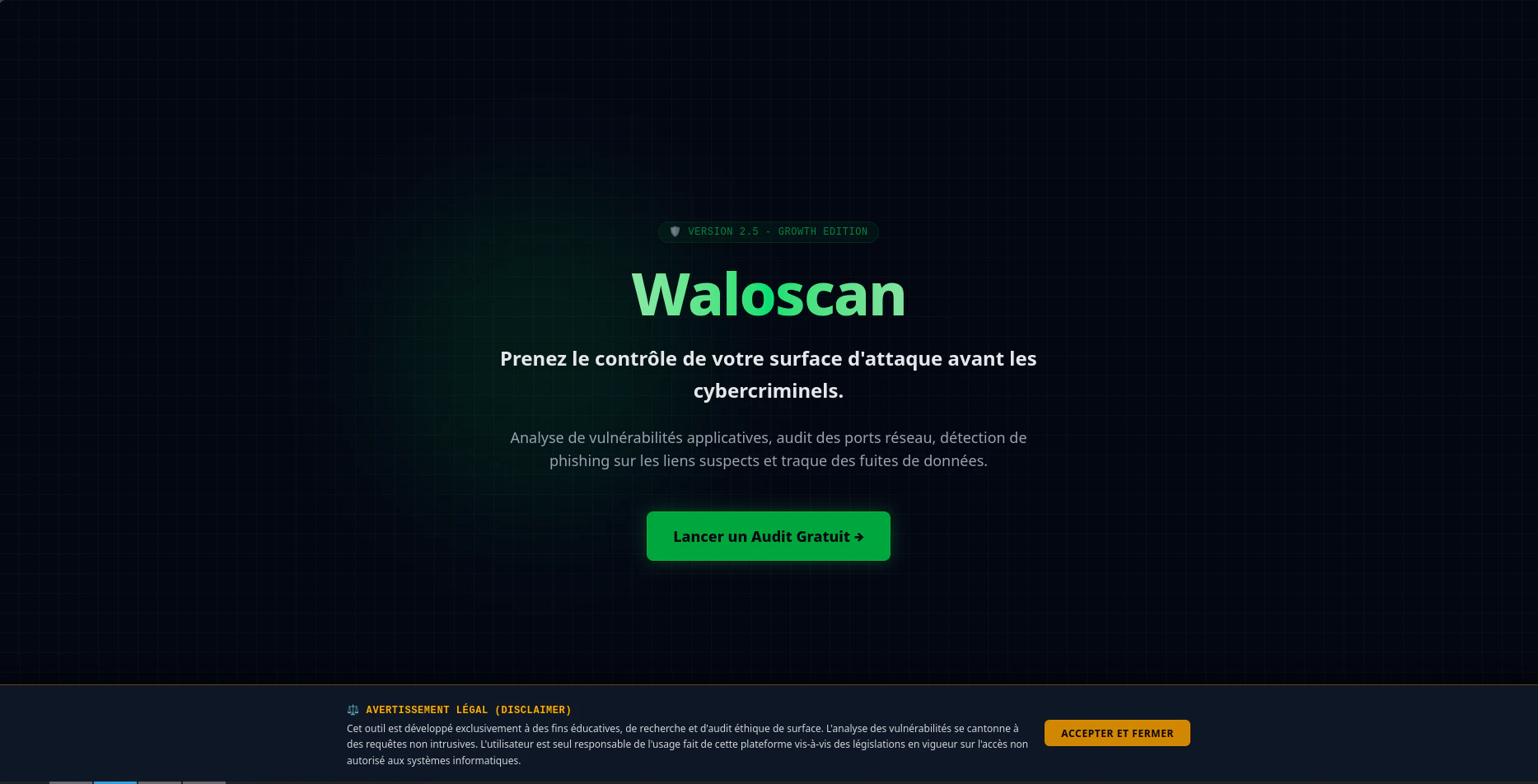
cybersecurity platform for external attack auditing
Waloscan is an open-source cybersecurity platform tailored for external attack surface auditing and threat detection. Designed for security professionals, developers, and organizations, it offers a comprehensive approach to identifying vulnerabilities in web infrastructures. The platform evaluates the external attack surface, helping users understand potential entry points for attackers, and includes specialized tools like the Data Breach Tracker for detecting compromised identities. Its heuristic anti-phishing engine further enhances security by analyzing suspicious links, making it a versatile solution for proactive cybersecurity measures. Built with Python (Flask) and optimized with Rust, Waloscan combines ease of customization with high performance, appealing to both technical teams and open-source enthusiasts. Its open-source nature encourages community contributions, making it adaptable to various security needs and environments.
Pros
- Open-source, highly customizable platform
- Includes specialized tools like Data Breach Tracker and anti-phishing engine
- Built with performant technologies (Python and Rust), ensuring efficiency
- Focuses on external attack surface evaluation and threat detection
- Suitable for security teams, developers, and open-source advocates
Cons
- Requires technical expertise to deploy and customize effectively
- Limited user interface or commercial support options
- Currently lacks detailed documentation for beginners
Best for
- • Auditing the external attack surface of web applications
- • Detecting potential data breaches and compromised accounts
- • Analyzing suspicious links to prevent phishing attacks
- • Enhancing security posture for organizations with open-source tools
Pricing: Waloscan is open-source and free to use, making it accessible for organizations of all sizes. Additional costs may arise from deployment, customization, or hosting, but there are no licensing fees.

Encrypted by proximity. No servers. No accounts. Ever.
Occulta is a revolutionary privacy tool designed for secure, in-person data exchange without relying on servers or accounts. It enables users to generate ephemeral, encrypted keys locally and transmit data through any communication channel—be it chat, SMS, email, or AirDrop—ensuring that only the intended recipient can decrypt the message. Its architecture guarantees that encryption occurs before data leaves the device, providing maximum security and eliminating exposure risks associated with server-based solutions. With state-of-the-art encryption, quantum threat protection, and forward secrecy, Occulta is ideal for individuals and organizations prioritizing privacy and control over their sensitive information. Its transport-agnostic design offers flexible and resilient data sharing, making it suitable for scenarios where security and independence are paramount. By removing reliance on third-party infrastructure, Occulta empowers users to communicate confidently in a trustless environment, setting a new standard for private digital exchanges.
Pros
- No reliance on servers or accounts, reducing attack surface
- End-to-end encryption with forward secrecy and quantum threat protection
- Transport agnostic, compatible with various communication channels
- User-owned encryption keys provide complete control and privacy
- Supports ephemeral, single-use encryption keys for added security
Cons
- Requires in-person key exchange, which may not be practical for remote communication
- Limited to devices and environments where in-person meetings are feasible
- Potentially complex for non-technical users unfamiliar with encryption concepts
Best for
- • Secure in-person data exchange during confidential meetings
- • Sharing sensitive information in environments with high privacy needs
- • Journalists communicating securely with sources without relying on third-party servers
- • Private group collaborations where trust in third-party services is undesirable
Pricing: Likely open source or free to use, with potential paid support or additional features. Exact pricing details are not specified, but the emphasis on no servers or accounts suggests a free or donation-based model.