Waloscan vs MindFort
Side-by-side comparison of features, pros & cons, pricing, and community votes (2026).
🏆 Waloscan leads with 0 upvotes
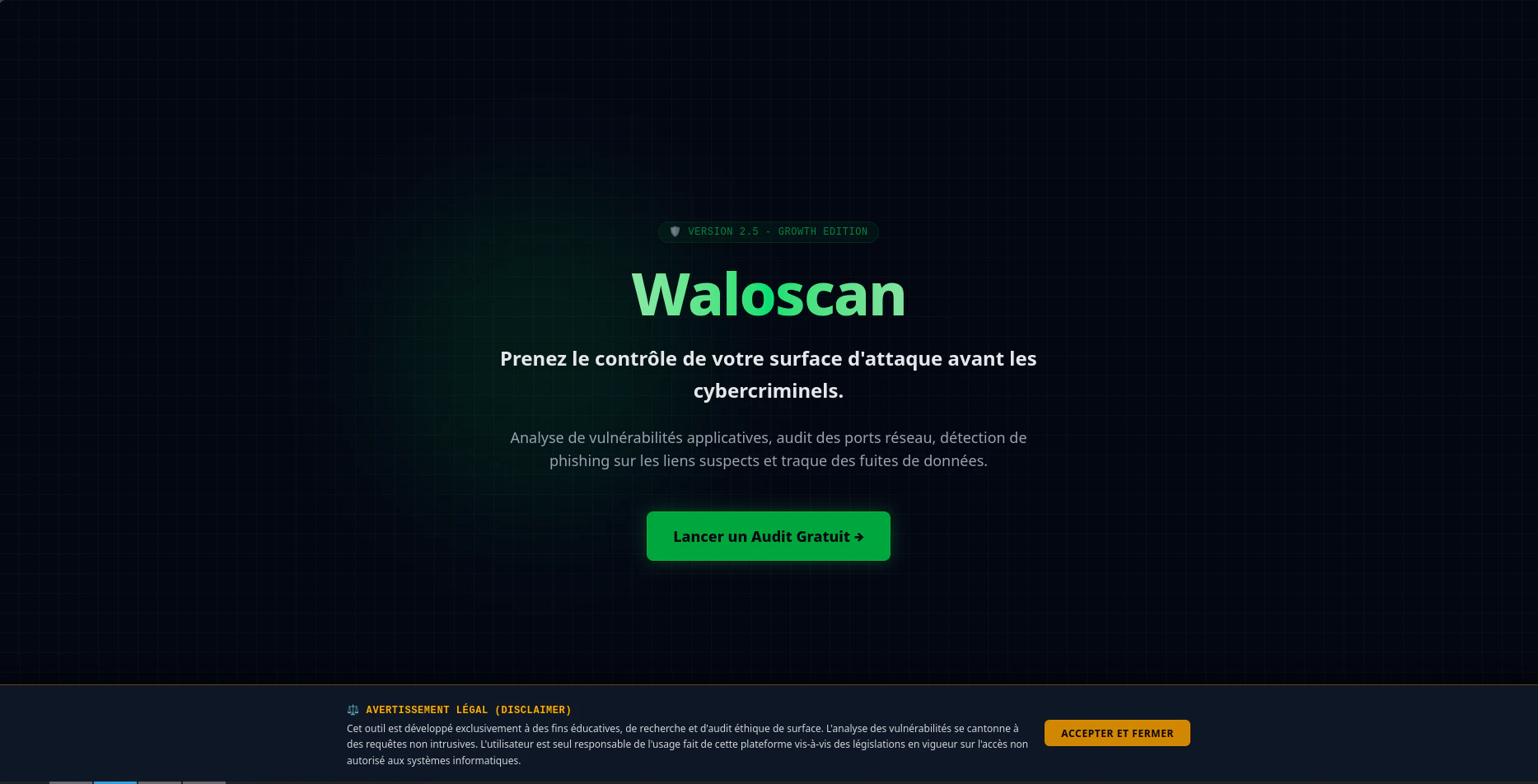
cybersecurity platform for external attack auditing
Waloscan is an open-source cybersecurity platform tailored for external attack surface auditing and threat detection. Designed for security professionals, developers, and organizations, it offers a comprehensive approach to identifying vulnerabilities in web infrastructures. The platform evaluates the external attack surface, helping users understand potential entry points for attackers, and includes specialized tools like the Data Breach Tracker for detecting compromised identities. Its heuristic anti-phishing engine further enhances security by analyzing suspicious links, making it a versatile solution for proactive cybersecurity measures. Built with Python (Flask) and optimized with Rust, Waloscan combines ease of customization with high performance, appealing to both technical teams and open-source enthusiasts. Its open-source nature encourages community contributions, making it adaptable to various security needs and environments.
Pros
- Open-source, highly customizable platform
- Includes specialized tools like Data Breach Tracker and anti-phishing engine
- Built with performant technologies (Python and Rust), ensuring efficiency
- Focuses on external attack surface evaluation and threat detection
- Suitable for security teams, developers, and open-source advocates
Cons
- Requires technical expertise to deploy and customize effectively
- Limited user interface or commercial support options
- Currently lacks detailed documentation for beginners
Best for
- • Auditing the external attack surface of web applications
- • Detecting potential data breaches and compromised accounts
- • Analyzing suspicious links to prevent phishing attacks
- • Enhancing security posture for organizations with open-source tools
Pricing: Waloscan is open-source and free to use, making it accessible for organizations of all sizes. Additional costs may arise from deployment, customization, or hosting, but there are no licensing fees.

Recursively learning security agents
MindFort is an innovative cybersecurity SaaS platform designed to rapidly deploy autonomous security agents that learn through simulated hacking. Built by a team with over 15 years of cybersecurity expertise and backed by YC, MindFort aims to enhance security posture by continuously identifying vulnerabilities within a company's tech stack. Its recursive learning approach allows these agents to adapt and improve over time, providing a dynamic defense mechanism. This tool is ideal for startups, scaling companies, and enterprises seeking an aggressive, automated, and intelligent security solution that minimizes manual effort while maximizing detection accuracy. The platform stands out for its speed of deployment, autonomous learning capabilities, and native patching features, making it a comprehensive security management tool for modern digital environments.
Pros
- Rapid deployment of autonomous security agents
- Recursive learning improves detection over time
- Automated vulnerability validation and patching
- Built by experienced cybersecurity team with YC backing
- Suitable for both startups and large enterprises
Cons
- Limited user reviews and community feedback (newer or niche product)
- Potential complexity in initial setup for non-experts
- Pricing details are not publicly disclosed, uncertain affordability
Best for
- • Automated vulnerability detection in cloud infrastructure
- • Continuous security monitoring for SaaS applications
- • Rapid security assessment during product development cycles
- • Proactive defense for high-value enterprise assets
Pricing: Pricing details are not explicitly provided, but it is likely to follow a SaaS subscription model with tiered plans based on the number of agents or features, possibly offering a free trial or demo for initial assessment.