Waloscan vs Golf
Side-by-side comparison of features, pros & cons, pricing, and community votes (2026).
🏆 Golf leads with 216 upvotes
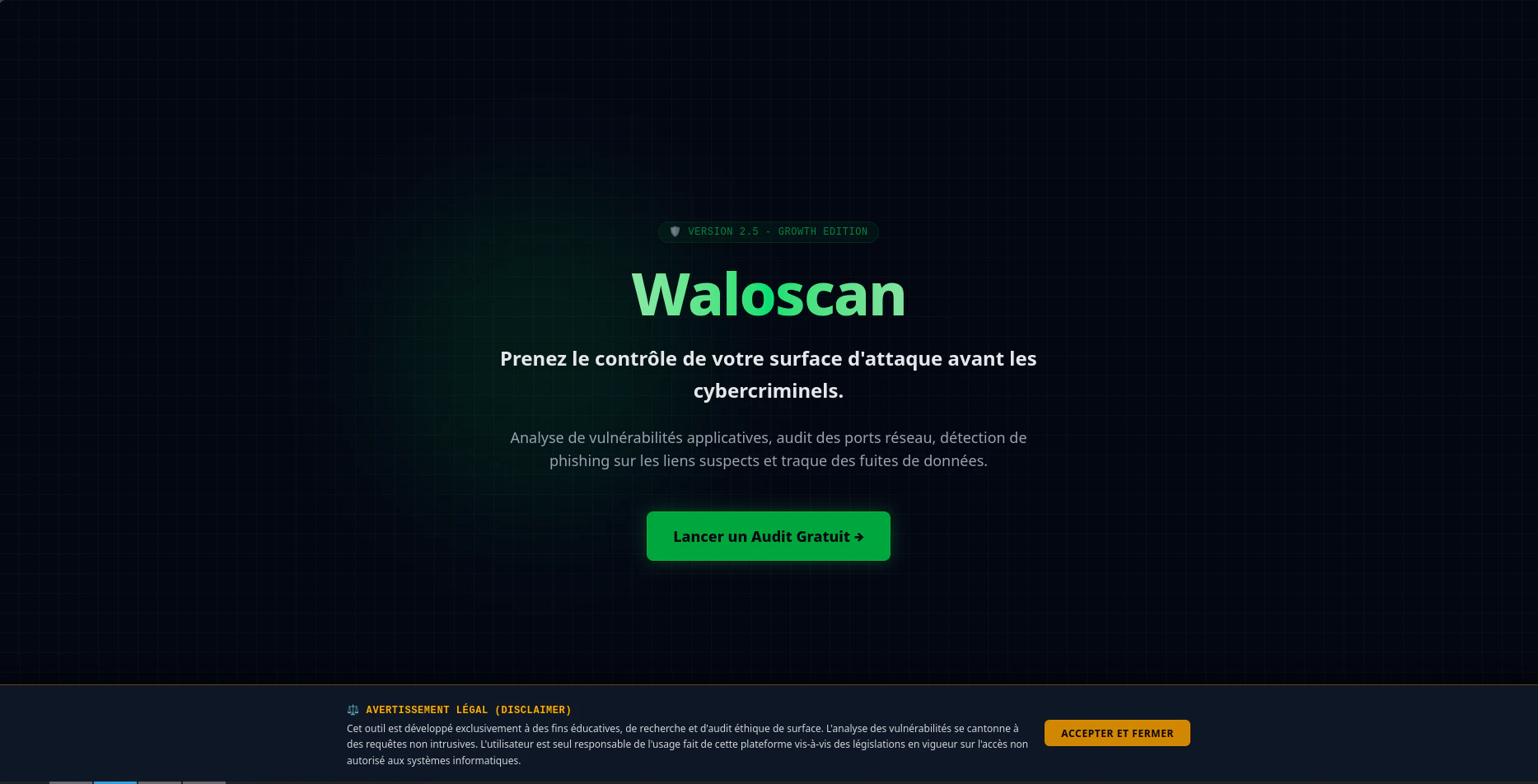
cybersecurity platform for external attack auditing
Waloscan is an open-source cybersecurity platform tailored for external attack surface auditing and threat detection. Designed for security professionals, developers, and organizations, it offers a comprehensive approach to identifying vulnerabilities in web infrastructures. The platform evaluates the external attack surface, helping users understand potential entry points for attackers, and includes specialized tools like the Data Breach Tracker for detecting compromised identities. Its heuristic anti-phishing engine further enhances security by analyzing suspicious links, making it a versatile solution for proactive cybersecurity measures. Built with Python (Flask) and optimized with Rust, Waloscan combines ease of customization with high performance, appealing to both technical teams and open-source enthusiasts. Its open-source nature encourages community contributions, making it adaptable to various security needs and environments.
Pros
- Open-source, highly customizable platform
- Includes specialized tools like Data Breach Tracker and anti-phishing engine
- Built with performant technologies (Python and Rust), ensuring efficiency
- Focuses on external attack surface evaluation and threat detection
- Suitable for security teams, developers, and open-source advocates
Cons
- Requires technical expertise to deploy and customize effectively
- Limited user interface or commercial support options
- Currently lacks detailed documentation for beginners
Best for
- • Auditing the external attack surface of web applications
- • Detecting potential data breaches and compromised accounts
- • Analyzing suspicious links to prevent phishing attacks
- • Enhancing security posture for organizations with open-source tools
Pricing: Waloscan is open-source and free to use, making it accessible for organizations of all sizes. Additional costs may arise from deployment, customization, or hosting, but there are no licensing fees.

Enterprise MCP Control Plane
Golf is an enterprise-grade MCP (Management Control Plane) solution designed to govern and secure AI agents and MCP servers across organizations. It offers centralized visibility, policy enforcement, and comprehensive audit trails, enabling security and compliance in an increasingly agentic AI landscape. Tailored for security teams, AI operations, and enterprise IT departments, Golf simplifies the management of complex AI infrastructures by providing a unified platform that enhances control, transparency, and accountability. Its emphasis on security and policy governance makes it an essential tool for organizations deploying AI at scale, ensuring their AI ecosystems are compliant, protected, and operating efficiently. What sets Golf apart is its focus on securing the entire AI lifecycle, from deployment to ongoing management, making it a vital asset for organizations prioritizing AI governance and security.
Pros
- Centralized visibility for managing multiple AI agents and MCP servers
- Robust policy control and enforcement capabilities
- Comprehensive audit trails for security and compliance
- Designed specifically for enterprise security needs in AI environments
- Helps mitigate risks associated with AI deployment at scale
Cons
- Potentially complex setup for smaller teams or organizations
- Limited information on flexible pricing tiers or free options
- May require integration effort with existing infrastructure
Best for
- • Governance and compliance management for enterprise AI deployments
- • Securing AI agents against unauthorized access or malicious activity
- • Monitoring and auditing AI operations for regulatory requirements
- • Implementing centralized policy control across multiple AI systems
Pricing: Exact pricing details are not publicly specified, but it is likely based on enterprise subscription models with tiered plans depending on the number of managed agents and servers. A custom pricing approach is common for such security and governance platforms.