Waloscan vs Gemini 4 Carbon
Side-by-side comparison of features, pros & cons, pricing, and community votes (2026).
🏆 Gemini 4 Carbon leads with 169 upvotes
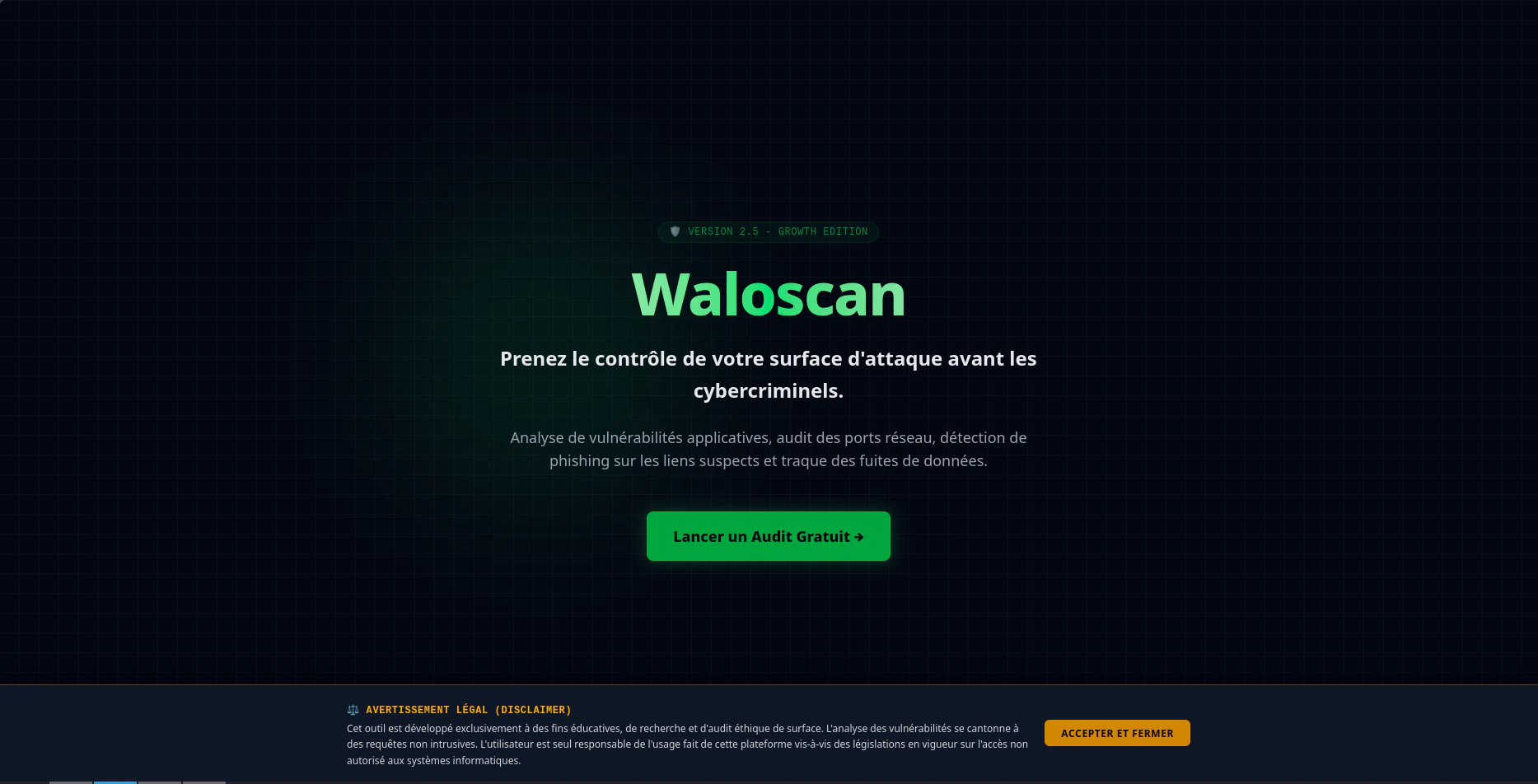
cybersecurity platform for external attack auditing
Waloscan is an open-source cybersecurity platform tailored for external attack surface auditing and threat detection. Designed for security professionals, developers, and organizations, it offers a comprehensive approach to identifying vulnerabilities in web infrastructures. The platform evaluates the external attack surface, helping users understand potential entry points for attackers, and includes specialized tools like the Data Breach Tracker for detecting compromised identities. Its heuristic anti-phishing engine further enhances security by analyzing suspicious links, making it a versatile solution for proactive cybersecurity measures. Built with Python (Flask) and optimized with Rust, Waloscan combines ease of customization with high performance, appealing to both technical teams and open-source enthusiasts. Its open-source nature encourages community contributions, making it adaptable to various security needs and environments.
Pros
- Open-source, highly customizable platform
- Includes specialized tools like Data Breach Tracker and anti-phishing engine
- Built with performant technologies (Python and Rust), ensuring efficiency
- Focuses on external attack surface evaluation and threat detection
- Suitable for security teams, developers, and open-source advocates
Cons
- Requires technical expertise to deploy and customize effectively
- Limited user interface or commercial support options
- Currently lacks detailed documentation for beginners
Best for
- • Auditing the external attack surface of web applications
- • Detecting potential data breaches and compromised accounts
- • Analyzing suspicious links to prevent phishing attacks
- • Enhancing security posture for organizations with open-source tools
Pricing: Waloscan is open-source and free to use, making it accessible for organizations of all sizes. Additional costs may arise from deployment, customization, or hosting, but there are no licensing fees.

Google's next frontier model