Visdiff vs Framer 3.0
Side-by-side comparison of features, pros & cons, pricing, and community votes (2026).
🏆 Visdiff leads with 165 upvotes

Stop bridging the design-to-code gap, close it
Visdiff is an innovative AI-powered tool designed to bridge the persistent gap between design and code. It simplifies the frontend development process by allowing users to paste a Figma link, after which AI agents automatically generate, verify, and refine code to match the original design precisely. Unlike traditional design-to-code plugins that produce rigid, often imperfect results, or visual regression tools that only identify discrepancies, Visdiff actively fixes and aligns code with the design reference—eliminating the tedious manual adjustments typically required. This makes it an invaluable asset for developers, designers, and teams aiming for pixel-perfect implementation without the usual time sink. Its unique approach of closing the feedback loop ensures what is designed is what gets shipped, saving significant development time and reducing errors.
Pros
- Automates the entire design-to-code process with high accuracy
- Reduces manual fixing and iteration time
- Ensures pixel-perfect implementation matching original designs
- User-friendly interface with simple Figma integration
- Speeds up development workflows and improves collaboration
Cons
- May require fine-tuning for highly complex or unique designs
- Dependent on quality and clarity of the Figma design
- Pricing details are not explicitly specified, which could impact budget planning
Best for
- • Converting high-fidelity Figma prototypes into production-ready code
- • Ensuring design consistency across multiple development teams
- • Automating frontend updates when design revisions occur
- • Reducing manual front-end coding and debugging efforts
Pricing: While specific pricing details are not publicly disclosed, Visdiff likely operates on a subscription-based model, possibly with tiered plans reflecting usage volume or features. It may offer a free trial or limited free tier to evaluate its capabilities, with paid plans starting at accessible price points for small to medium teams.
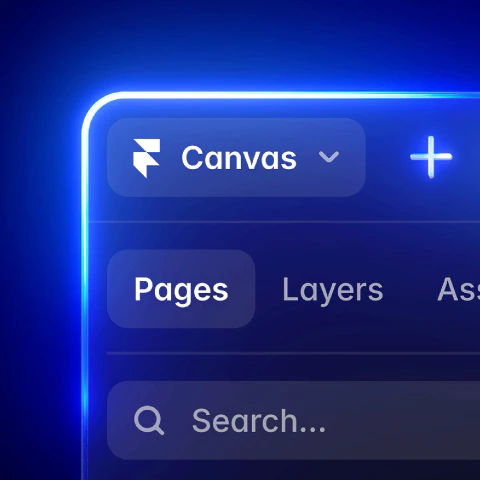
With Agents, Branching, Community, and an all-new design
Framer 3.0 introduces a fresh approach to website creation by integrating advanced AI capabilities directly into the design process. With the new Agents feature, users can leverage AI to assist in designing, writing content, analyzing site performance, and organizing project elements seamlessly on the canvas. The addition of Branching allows teams to experiment with multiple ideas and versions before launching, fostering collaboration and innovation. The platform also debuts the Framer Community, a vibrant space where creators can share their projects, gain feedback, and earn recognition. Combining these features, Framer 3.0 is tailored for designers, developers, and teams looking for a powerful, collaborative, and AI-enhanced website building experience. Its intuitive interface and innovative tools set it apart as a comprehensive solution for modern web development and creative exploration.
Pros
- AI-powered Agents streamline design, writing, and analysis tasks
- Branching fosters collaborative experimentation and idea exploration
- Community platform encourages sharing, feedback, and monetization
- All-new, modern design interface enhances user experience
- Suitable for teams and individual creators seeking scalable solutions
Cons
- Learning curve for new users unfamiliar with AI integrations
- May require a subscription for full feature access
- Limited information on specific pricing tiers and plans
Best for
- • Rapid prototyping and iterative website design
- • Collaborative brainstorming and idea exploration with Branching
- • Creating content with AI assistance for faster deployment
- • Sharing projects and gaining community feedback
Pricing: Likely operates on a freemium model, offering basic features for free with premium plans that unlock advanced AI tools, collaboration options, and community monetization features. Exact pricing details are not specified but are expected to be subscription-based.