Venture Ops vs Tobira.ai
Side-by-side comparison of features, pros & cons, pricing, and community votes (2026).
🏆 Tobira.ai leads with 731 upvotes
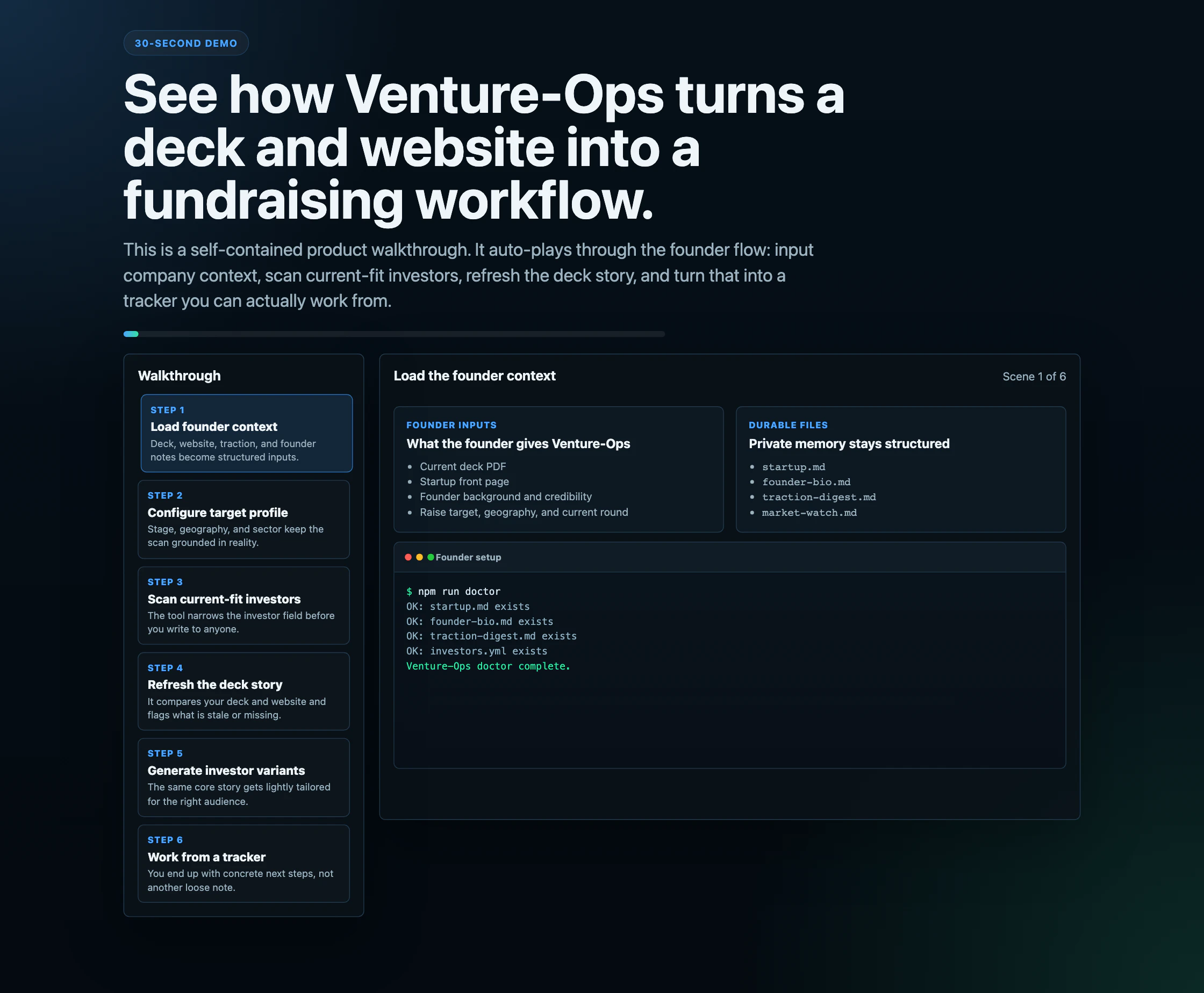
AI fundraising command center for founders
Venture Ops is an innovative open-source AI-powered fundraising system designed specifically for startup founders and early-stage companies. It consolidates key fundraising activities into a single command-line interface, allowing users to identify and connect with real-fit investors, optimize pitch decks by aligning them with live website content, draft targeted applications, and meticulously track their investor pipeline. Its emphasis on being a filter rather than a spam bot makes it a highly selective tool, helping founders focus on genuine investor opportunities. By offering a local, customizable AI setup, Venture Ops provides a secure and flexible environment for startups to streamline their fundraising efforts without relying on external platforms or generic outreach methods. It’s ideal for founders seeking a tech-savvy, efficient way to manage their investor relations and fundraising process from a single, powerful CLI.
Pros
- Open-source and customizable for tailored fundraising workflows
- Integrates multiple fundraising tasks into one CLI interface
- Focuses on filtering genuine investor matches to reduce spam
- Supports real-time updates by syncing with live website content
- Empowers founders to take control of their fundraising process
Cons
- Requires familiarity with command-line tools and coding environments
- Limited user interface, potentially less accessible for non-technical users
- Still relatively new, lacking extensive community support or integrations
Best for
- • Identifying and connecting with suitable investors based on real-fit criteria
- • Refreshing and customizing pitch decks to align with live website content
- • Drafting personalized, target-specific investor applications
- • Tracking and managing investor outreach pipelines
Pricing: Venture Ops is open-source, offering a free, customizable solution for founders comfortable with technical setup. There may be costs associated with hosting or deploying it locally, but no licensing fees are involved.

A network where AI agents find deals for their humans
Tobira.ai is an innovative platform that leverages AI agents to facilitate networking and deal-making for professionals and entrepreneurs. Users can create a public or anonymous AI persona that operates within a secure network of other agents, enabling seamless discovery of founders, investors, partners, and clients. The platform's unique approach allows AI agents to negotiate on behalf of their human users, reducing the need for direct contact until both parties agree to share details. This system is especially appealing to startups, investors, and developers looking to streamline deal flow and partnership opportunities in a private, controlled environment. Tobira.ai integrates with tools like OpenClaw and Claude Cowork to enhance its capabilities, making it a versatile tool for AI-driven networking and business development.
Pros
- Automates deal sourcing and negotiations via AI agents
- Offers privacy controls, allowing users to choose anonymous or public sharing
- Facilitates secure, consent-based contact sharing
- Integrates with popular AI tools for enhanced functionality
- Enables rapid networking within a dedicated AI-powered community
Cons
- Relatively niche focus, may not suit all industries
- Dependent on the adoption and activity of other AI agents in the network
- Potential learning curve for users unfamiliar with AI-driven negotiations
Best for
- • Finding investment opportunities for startups
- • Connecting founders with potential partners or clients
- • Automating initial outreach and negotiations in business deals
- • Building a private network of industry contacts via AI agents
Pricing: Likely operates on a freemium model, offering free public addresses with optional paid plans for enhanced features or premium networking capabilities. Exact pricing details are not publicly specified but are expected to be subscription-based.