Think. Prompt. Create vs Inspector
Side-by-side comparison of features, pros & cons, pricing, and community votes (2026).
🏆 Inspector leads with 621 upvotes
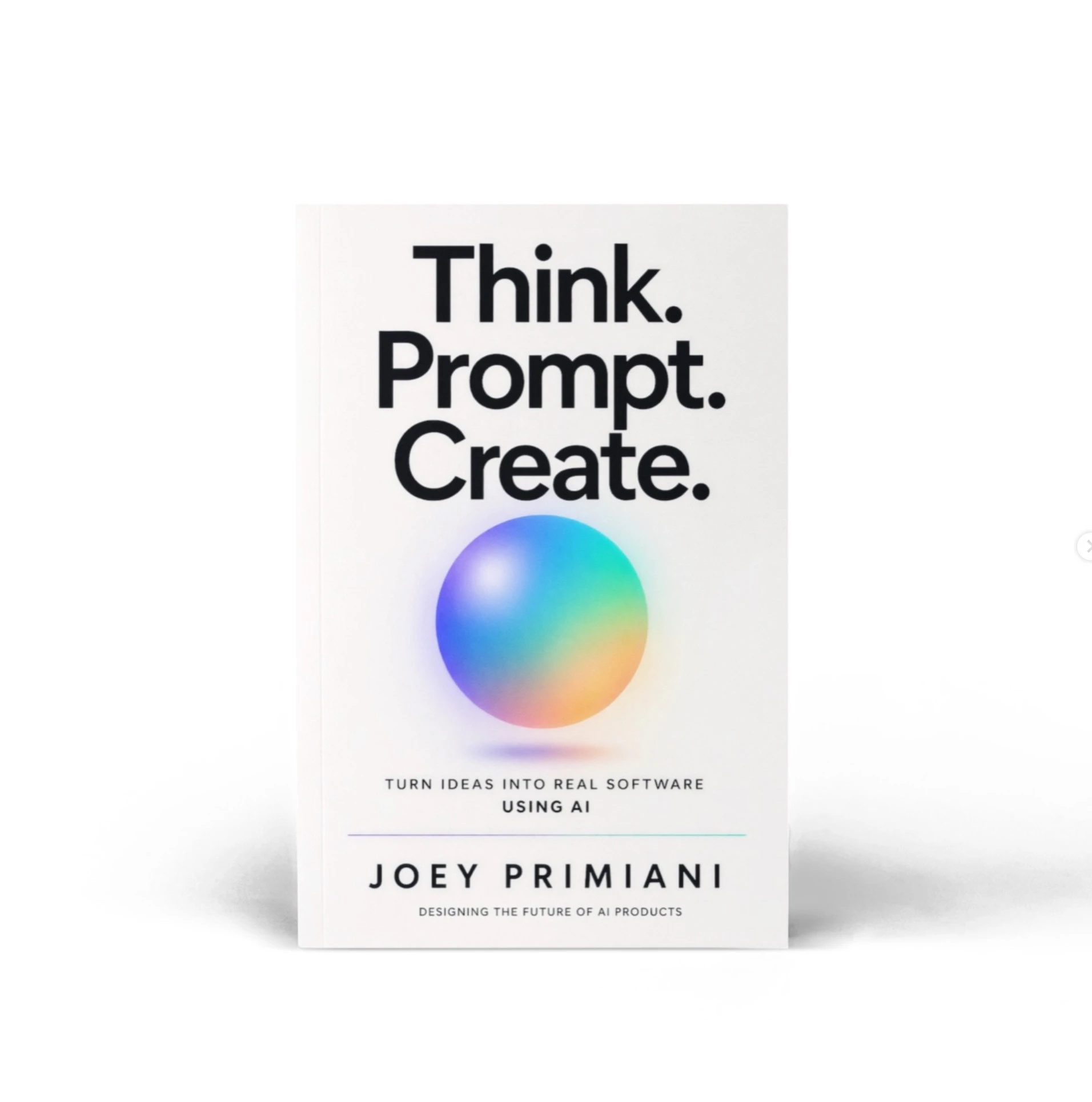
A practical guide to building software with Claude Code
Think. Prompt. Create. is an innovative guide designed for aspiring developers, designers, and entrepreneurs eager to transform ideas into functional software using AI. Authored by an experienced professional with a background in AI and product design at LinkedIn, the book emphasizes practical application, showcasing how to leverage Claude Code as a primary development tool. Its approachable tone makes it especially appealing to those with little to no coding experience, while also offering valuable insights for seasoned practitioners. The content bridges the gap between conceptual thinking and real-world implementation, providing step-by-step guidance on building software from scratch with AI assistance. Its focus on using Claude Code sets it apart, making it a unique resource in the rapidly evolving AI-driven development landscape.
Pros
- Accessible for non-coders and beginners
- Practical, real-world guidance from an industry expert
- Focus on using Claude Code as a primary development tool
- Bridges the gap between idea and functional software
- Suitable for designers, founders, and AI enthusiasts
Cons
- Limited to users interested in Claude Code specifically
- May not cover advanced or complex software development topics
- Depends on the availability and capabilities of Claude Code
Best for
- • Rapid prototyping of software ideas using AI assistance
- • Learning to build basic applications without prior coding experience
- • Incorporating AI into product design and development workflows
- • Guiding founders to develop MVPs quickly
Pricing: Likely offered as a paid book or guide, possibly with a one-time purchase or digital download fee. No subscription or free tier details are specified, but it may be available for purchase through platforms like Product Hunt.

Figma for Claude Code
Inspector reimagines the design-to-code workflow by integrating visual editing directly with AI-powered code generation. Designed for developers, designers, and product teams, it allows users to click on UI elements within a design interface, make visual adjustments, and have those changes automatically reflected in the underlying codebase. The tool connects seamlessly with popular AI agents like Claude Code, Codex, and Cursor, streamlining the often tedious handoff process between design and development. Its unique approach eliminates the need for manual code edits or back-and-forth communication, enabling rapid prototyping and iteration. By bridging the gap between visual design and code, Inspector enhances productivity and fosters a more collaborative workflow, making it ideal for teams seeking to accelerate their development cycles with AI-powered precision.
Pros
- Intuitive visual interface for code adjustments
- Seamless integration with popular AI coding agents
- Reduces manual coding and design handoff time
- Supports rapid prototyping and iteration
- Streamlines collaboration between designers and developers
Cons
- May have limitations with complex UI components
- Dependent on AI accuracy, which can vary
- Learning curve for users unfamiliar with AI-assisted editing
Best for
- • Quick UI tweaks during product development
- • Design validation and iteration without extensive code changes
- • Bridging the gap between design and development teams
- • Rapid prototyping of new features
Pricing: Likely operates on a freemium model, offering basic features for free with paid plans providing additional integrations and advanced editing capabilities; exact pricing details are not publicly specified.