Payload vs Mindspend
Side-by-side comparison of features, pros & cons, pricing, and community votes (2026).
🏆 Mindspend leads with 146 upvotes
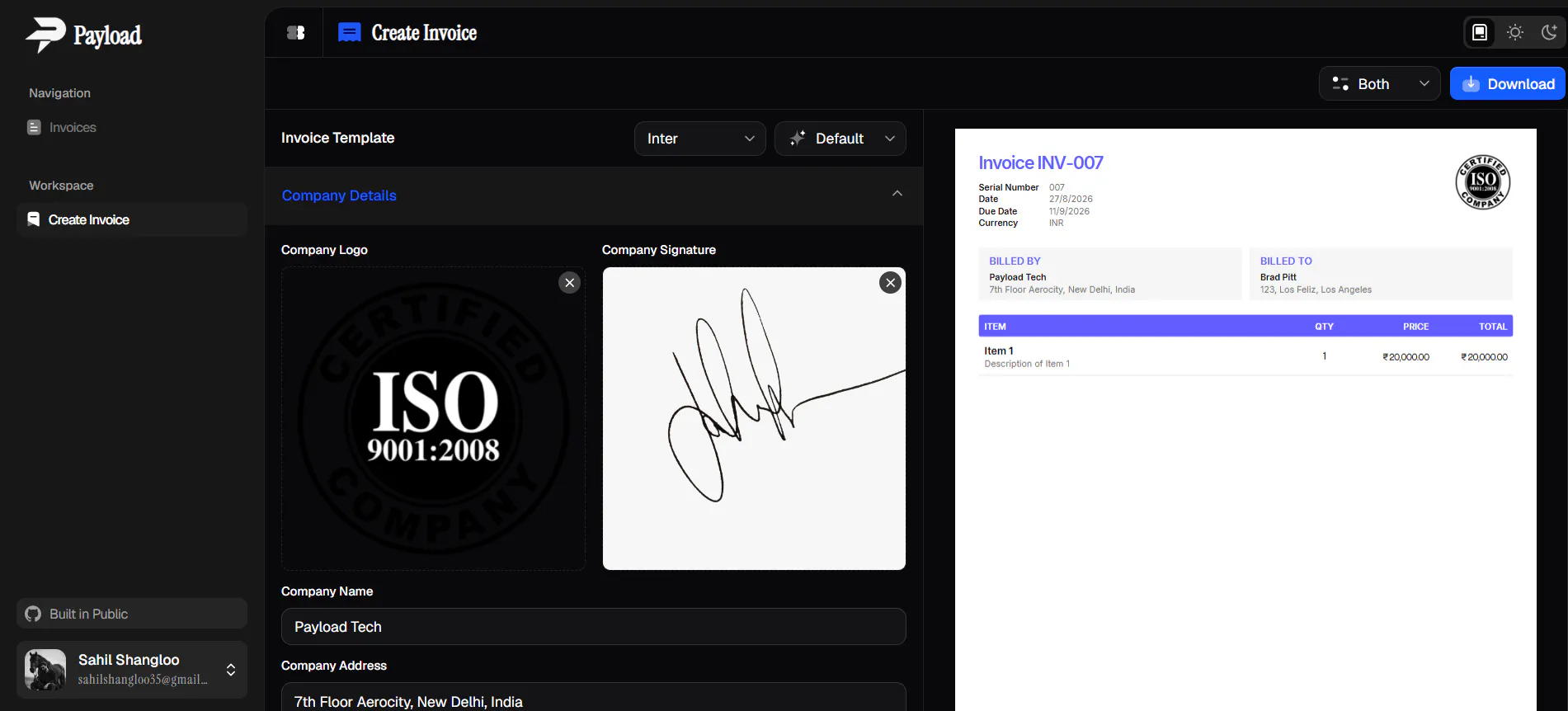
Create beautiful, modern invoices for free with Payload.
Payload is a user-friendly tool designed for creating visually appealing and professional invoices with ease. Geared towards freelancers, small businesses, and startups, it offers a simple interface to customize templates, fonts, colors, and company details, allowing users to generate polished invoices quickly. Its export options as PDF or PNG make sharing and printing straightforward, making it a practical choice for those seeking a free solution to streamline their billing process. What sets Payload apart is its focus on aesthetics combined with customization options, enabling users to maintain brand consistency in their invoicing. Whether you're a solo entrepreneur or part of a small team, Payload helps simplify invoice creation while maintaining a modern, professional look.
Pros
- Free to use, no cost involved
- Highly customizable templates including fonts, colors, and branding
- Easy export as PDF or PNG for versatile sharing
- User-friendly interface suitable for non-technical users
- Supports quick creation of professional invoices
Cons
- Limited advanced features for recurring billing or automation
- No integrated payment processing capabilities
- Potentially limited template options compared to more established invoicing tools
Best for
- • Creating professional invoices for freelancers and consultants
- • Designing branded invoices for small business owners
- • Generating quick invoices for one-time projects
- • Customizing invoice templates for specific branding needs
Pricing: Pricing not verified

Track how you feel about spending, not just the numbers
Mindspend offers a refreshing approach to personal finance by focusing on emotional insights rather than just numbers. Unlike traditional budgeting apps that categorize expenses and link directly to bank accounts, Mindspend simplifies the process with a single, intuitive question after each purchase: 'How did that feel?' Users assign one of three emotion tags—worth it, okay, or regret—helping them understand their spending habits on a deeper, emotional level. Over time, this method reveals patterns and insights about personal spending triggers and emotional spending habits without the need for complex setup or data linking. It’s ideal for individuals seeking a more mindful, introspective approach to managing their finances, fostering better self-awareness rather than restriction or strict budgeting. Its simplicity and focus on feelings make it a unique tool for people who want to connect their spending behavior with their emotional well-being, encouraging healthier financial habits through self-understanding.
Pros
- Simple and intuitive interface requiring minimal setup
- Focuses on emotional awareness rather than strict budgeting
- No bank linking or complicated categorization needed
- Encourages mindful spending and self-reflection
- Accessible for users who dislike traditional budget trackers
Cons
- Lacks detailed financial analytics or categorization
- May not suit users needing comprehensive budget management
- Relies on user honesty and consistency for best results
Best for
- • Tracking emotional responses to daily spending habits
- • Gaining insights into personal spending triggers
- • Supporting mindful spending and financial self-awareness
- • Helping individuals recover from impulsive or emotional spending
Pricing: Likely adopts a freemium model with basic features available for free and optional premium plans for additional insights or features. Specific pricing details are not publicly confirmed but are expected to be affordable for casual users.