Nova3D vs Stitch by Google
Side-by-side comparison of features, pros & cons, pricing, and community votes (2026).
🏆 Stitch by Google leads with 664 upvotes
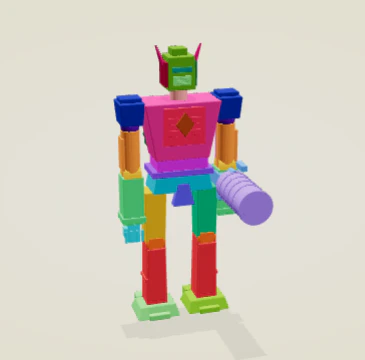
3D generation with editable parts, not solid blobs
Nova3D stands out in the realm of 3D AI generation by focusing on creating models composed of separate, editable parts rather than monolithic, unchangeable blobs. This approach enables users to generate complex, customizable 3D objects from simple text or image prompts, making it ideal for designers, game developers, and 3D artists looking for more control and flexibility. Its open-source client available on GitHub allows for free experimentation and integration, fostering a community-driven environment. By emphasizing modularity, Nova3D offers a significant advantage over traditional AI 3D generators that often produce rigid, uneditable models, opening new possibilities for detailed customization and iterative design.
Pros
- Generates 3D models with editable, modular parts for greater customization
- Supports both text and image inputs for versatile creation
- Open-source client encourages community development and free experimentation
- Focuses on producing complex, non-blobby 3D objects
Cons
- Might require some technical knowledge to set up and customize
- Limited information on pricing or commercial plans
- Currently lacks widespread user reviews or case studies
Best for
- • Creating detailed 3D assets for video games or animations
- • Designing customizable 3D prototypes for product development
- • Educational projects for learning modular 3D modeling
- • Rapid generation of parts for 3D printing and fabrication
Pricing: Likely based on a freemium model, offering free access via open-source tools with optional paid support or hosted services; detailed pricing details are not explicitly provided.

Turn napkin sketches into production-ready UI in seconds.
Stitch by Google is an innovative design tool that transforms simple napkin sketches into fully editable, production-ready UI designs within seconds. Tailored for founders, product managers, and developers who need rapid prototyping without the time-consuming process of manual mockups, Stitch leverages AI to streamline the design workflow. Its standout feature, Hatter, enables multi-step design tasks, making complex UI creation more accessible and efficient. Additionally, the tool offers new capabilities like automated App Store asset generation and native MCP export, enhancing its utility for app development and deployment. Free to use, Stitch aims to bridge the gap between initial concept sketches and polished UI prototypes, reducing turnaround times and empowering teams to iterate faster. Its integration of AI-driven automation with user-friendly interfaces makes it a compelling choice for those seeking rapid, high-quality UI mockups without sacrificing flexibility or control.
Pros
- Rapid conversion of sketches into editable, production-ready UI designs
- AI-powered features like Hatter for handling complex multi-step design tasks
- Free to use, lowering the barrier for startups and small teams
- Supports export to real code, streamlining development workflows
- Additional tools for App Store asset generation and MCP export
Cons
- May have limitations in customizing highly complex or unique designs
- Dependent on the quality of initial sketches for best results
- Potential learning curve for users unfamiliar with AI-assisted design tools
Best for
- • Quickly turning hand-drawn UI sketches into prototypes for user testing
- • Accelerating the initial design phase for startups and product teams
- • Automating repetitive UI asset creation for app stores
- • Generating production-ready code snippets for development teams
Pricing: Stitch by Google is currently offered as a free tool, making it highly accessible for individuals and small teams. Details about premium features or plans are not specified, but the free access allows users to explore its core functionalities without upfront costs.