Memoket Gem vs Tobira.ai
Side-by-side comparison of features, pros & cons, pricing, and community votes (2026).
🏆 Tobira.ai leads with 731 upvotes
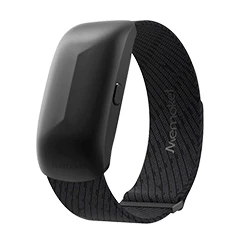
An AI wearable that remembers your conversations all day
Memoket Gem is an innovative AI-powered wearable device designed to seamlessly capture and remember your daily conversations, meetings, calls, and informal chats. Built for founders, entrepreneurs, and SMB owners, it ensures that no important detail slips through the cracks by recording and summarizing key moments, connecting context across various interactions, and transforming them into actionable tasks, notes, or follow-ups within your existing productivity tools. Its all-day wearability offers a discreet and continuous memory extension, helping users stay organized and on top of their commitments without manual note-taking. What sets Memoket Gem apart is its ability to integrate real-world conversations with digital workflows, making it a valuable asset for busy professionals seeking to optimize their productivity and memory retention in fast-paced environments.
Pros
- Continuous, hands-free recording of conversations and meetings
- Automatic summarization and contextual linking across multiple interactions
- Integrates seamlessly with existing productivity tools for task and note management
- Discreet wearable design suitable for all-day use
- Early access program offers an opportunity to shape the product's development
Cons
- Limited availability currently with only 50 free founding member spots
- Potential privacy concerns with continuous recording
- Dependence on AI accuracy for summaries and task extraction
Best for
- • Capturing and summarizing meetings for remote teams
- • Remembering important client calls and follow-ups
- • Jotting down spontaneous conversations and decisions during networking events
- • Converting casual chats into actionable items or notes
Pricing: Likely to follow a freemium model with limited features available for free, and premium plans offering advanced integrations and additional storage starting around $10-$20 per month. The initial offering is through an exclusive Founding Member Program, so detailed pricing may vary after launch.

A network where AI agents find deals for their humans
Tobira.ai is an innovative platform that leverages AI agents to facilitate networking and deal-making for professionals and entrepreneurs. Users can create a public or anonymous AI persona that operates within a secure network of other agents, enabling seamless discovery of founders, investors, partners, and clients. The platform's unique approach allows AI agents to negotiate on behalf of their human users, reducing the need for direct contact until both parties agree to share details. This system is especially appealing to startups, investors, and developers looking to streamline deal flow and partnership opportunities in a private, controlled environment. Tobira.ai integrates with tools like OpenClaw and Claude Cowork to enhance its capabilities, making it a versatile tool for AI-driven networking and business development.
Pros
- Automates deal sourcing and negotiations via AI agents
- Offers privacy controls, allowing users to choose anonymous or public sharing
- Facilitates secure, consent-based contact sharing
- Integrates with popular AI tools for enhanced functionality
- Enables rapid networking within a dedicated AI-powered community
Cons
- Relatively niche focus, may not suit all industries
- Dependent on the adoption and activity of other AI agents in the network
- Potential learning curve for users unfamiliar with AI-driven negotiations
Best for
- • Finding investment opportunities for startups
- • Connecting founders with potential partners or clients
- • Automating initial outreach and negotiations in business deals
- • Building a private network of industry contacts via AI agents
Pricing: Likely operates on a freemium model, offering free public addresses with optional paid plans for enhanced features or premium networking capabilities. Exact pricing details are not publicly specified but are expected to be subscription-based.