Dynamic Edge vs SKI
Side-by-side comparison of features, pros & cons, pricing, and community votes (2026).
🏆 SKI leads with 639 upvotes
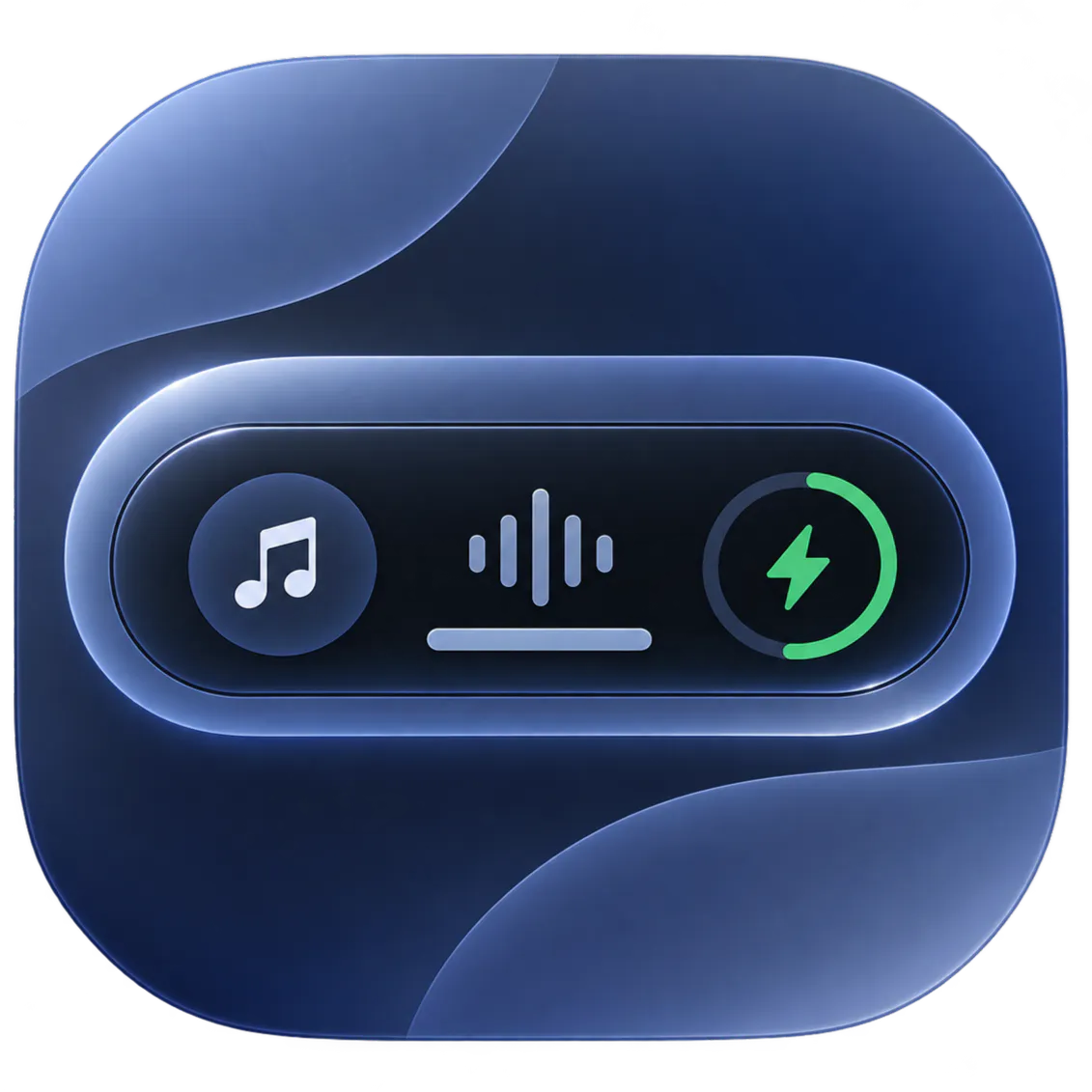
The Dynamic Island for Windows
Dynamic Edge is an innovative Windows utility that brings a Dynamic Island-style interface to Windows 10 and 11, enhancing productivity and multitasking. Designed with native WinUI 3 and Windows App SDK, it offers a sleek, lightweight floating panel that integrates media controls, clipboard history, app and folder launching, timers, and volume adjustments, all accessible via a customizable and dockable interface. Its design ensures a seamless experience that feels native to Windows, avoiding the bloat of Electron-based apps. Users can summon the interface with a global hotkey or Magic Shake, and position it on any side of the screen or across multiple monitors, making it highly versatile for various workflows. Whether you're a power user or a casual multitasker, Dynamic Edge provides a centralized hub for quick access to essential controls and tools, all within a compact, easy-to-use overlay.
Pros
- Native Windows implementation with smooth performance
- Highly customizable docking and placement options
- Supports multi-monitor setups
- Quick access via hotkeys or Magic Shake
- Combines multiple productivity features in one interface
Cons
- Limited votes on Product Hunt, indicating potential early-stage adoption
- Features may require some initial learning curve
- No explicit information on pricing or subscription models
Best for
- • Managing media playback controls during presentations or media consumption
- • Quickly accessing clipboard history for efficient copy-pasting
- • Launching frequently used apps or folders without navigating menus
- • Setting timers or alarms for productivity intervals
Pricing: Pricing not verified

Free voice coding for Claude Code, Codex and more
SKI is an innovative voice coding tool designed for developers and professionals who want to boost their productivity through natural language interaction. Unlike traditional dictation software, SKI offers a conversational experience where the AI responds out loud, functioning like a real teammate. This allows users to build code at the speed of their thoughts, whether they’re working solo or collaborating in meetings. Its ambient design sits unobtrusively on the desktop, accessible with a simple keystroke, making it easy to activate and use on both Mac and Windows systems. By integrating with AI models like Claude Code and Codex, SKI transforms voice commands into executable code seamlessly, offering a fresh approach to coding and command execution that minimizes interruptions and maximizes flow. It's particularly suited for developers, technical writers, and teams seeking an innovative way to streamline their coding and communication processes.
Pros
- Voice interaction that provides real-time spoken responses, enhancing conversational coding
- Easy to activate and use with a simple key press, sitting unobtrusively on the desktop
- Supports multiple AI models like Claude Code and Codex for versatile coding assistance
- Free to use, making it accessible for individuals and small teams
- Cross-platform compatibility with Mac and Windows
Cons
- Still relatively new, so integration and stability might vary
- Limited advanced customization options or enterprise features at this stage
- Dependent on local machine performance for optimal operation
Best for
- • Real-time voice coding during solo development sessions
- • Building code live during meetings or presentations
- • Assisting with brainstorming or debugging through spoken commands
- • Creating quick prototypes or scripts without switching context
Pricing: Likely offers a free, open access model given its emphasis on being free and desktop-based, with potential plans for premium features or enterprise solutions in the future.