Collab vs Claude Code Scheduled Tasks
Side-by-side comparison of features, pros & cons, pricing, and community votes (2026).
🏆 Claude Code Scheduled Tasks leads with 482 upvotes
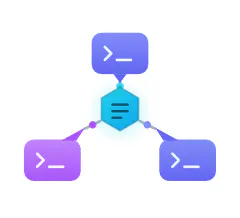
An hub that lets coding agents on different machines talk
Collab is an innovative hub designed to facilitate seamless communication between coding agents running on different machines or repositories. Traditionally, developers and AI agents manually copy and paste context, which can be time-consuming and error-prone. Collab streamlines this process by providing a self-hosted platform where agents can message each other, assign and claim tasks from a shared board, and transfer build artifacts in real time, leveraging Google's A2A protocol for efficient data exchange. Whether used across separate machines or within different repositories on the same machine, Collab enhances collaboration, automation, and productivity for development teams and AI workflows. Its real-time, automated communication model reduces manual overhead and accelerates project cycles, making it especially appealing for teams integrating AI agents into their development pipelines.
Pros
- Real-time communication between coding agents
- Supports task management and artifact sharing
- Self-hosted for privacy and customization
- Works across multiple machines and repositories
- Leverages Google's A2A protocol for efficient data transfer
Cons
- Requires self-hosting setup and maintenance
- Limited user interface details available
- No information on pricing or scalability
Best for
- • Automating AI agent collaboration across different developer environments
- • Streamlining multi-agent development workflows
- • Enabling real-time artifact sharing during continuous integration
- • Coordinating tasks between agents on different repositories
Pricing: Pricing not verified

Schedule recurring tasks locally and in the cloud easily
Claude Code Scheduled Tasks is a versatile automation tool designed to streamline recurring coding workflows across both local and cloud environments. It allows developers to set up repositories, schedules, and prompts once, then automatically executes tasks at specified intervals, making it ideal for continuous integration, deployment, and routine maintenance. Its ability to operate seamlessly across local desktops and cloud platforms offers flexibility, efficiency, and minimal manual intervention, empowering teams to automate complex workflows effortlessly. The platform's user-friendly setup and agent-like capabilities make it suitable for developers, DevOps teams, and automation enthusiasts seeking reliable, scalable task scheduling that integrates with their existing development ecosystems. What sets Claude Code Scheduled Tasks apart is its focus on combining local and cloud automation in a unified interface, reducing complexity and enhancing productivity for daily development operations.
Pros
- Supports scheduling recurring tasks across both local and cloud environments
- User-friendly interface with easy setup for repositories, prompts, and schedules
- Flexible automation suitable for continuous workflows and DevOps automation
- Reduces manual intervention and streamlines repetitive coding tasks
- Ideal for developer teams looking to improve efficiency and reliability
Cons
- Uncertain pricing details; likely subscription-based with tiered plans
- Potential learning curve for users unfamiliar with automation setups
- Limited information on integrations with other development tools
Best for
- • Automating routine code deployments and updates
- • Scheduling regular data backups or environment cleanups
- • Running periodic code testing and validation routines
- • Automating continuous integration and delivery workflows
Pricing: Likely operates on a freemium or subscription model, offering free trials or tiers with paid plans starting around a modest monthly fee, but specific details are not publicly confirmed.