Codex Micro vs Inspector
Side-by-side comparison of features, pros & cons, pricing, and community votes (2026).
🏆 Inspector leads with 621 upvotes
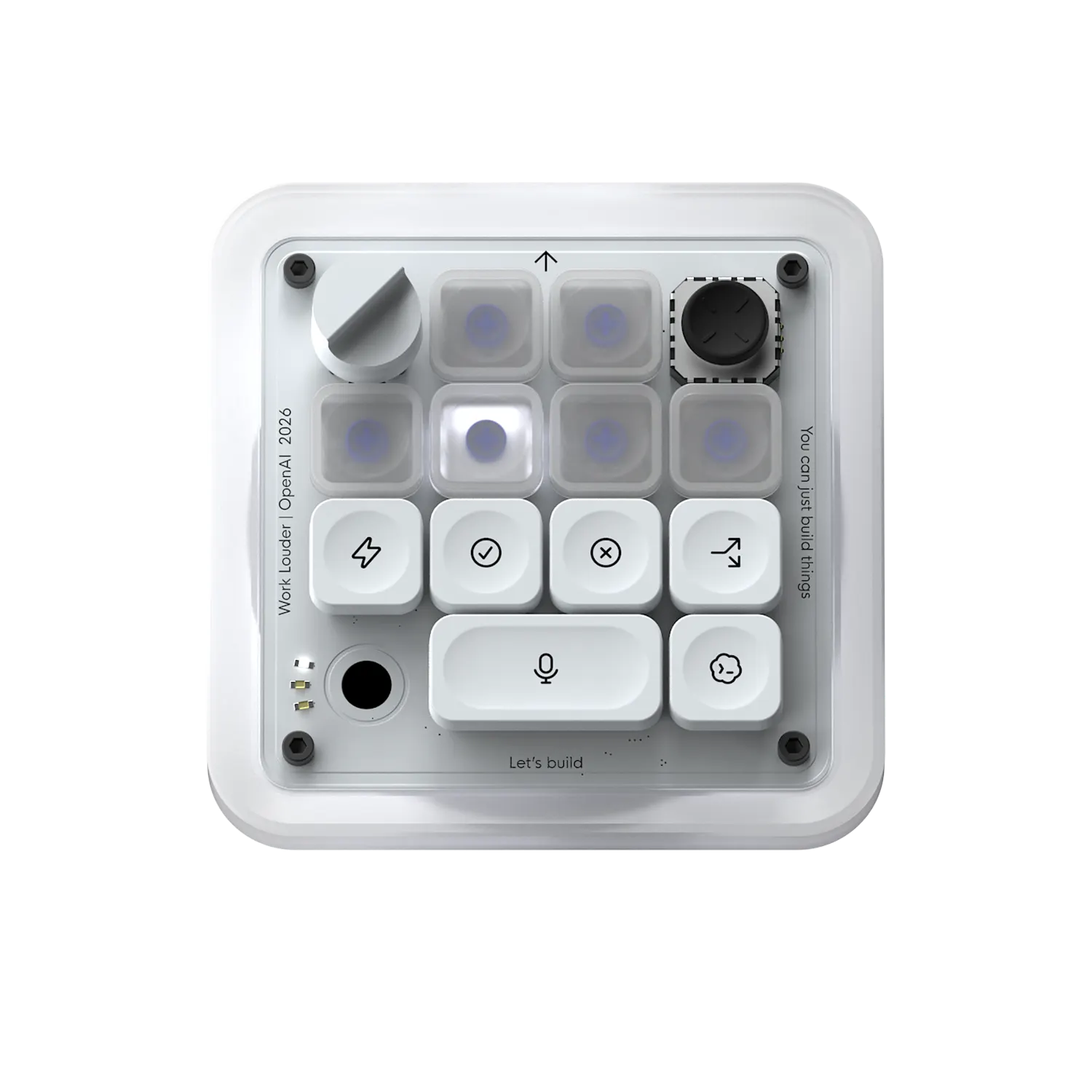
Tactile controls for your Codex agents
Codex Micro is a compact, tactile keyboard designed specifically for developers and AI enthusiasts working with OpenAI's Codex agents. It offers physical keys mapped to common skills and commands, allowing users to execute complex tasks with a simple press, thereby improving efficiency and reducing context switching. The device also features a dial to dynamically adjust reasoning levels, giving users quick control over their agent's behavior, and live RGB status lights to monitor multiple agents in real-time without needing to switch windows. Its ergonomic design and intuitive controls make it ideal for those managing multiple AI workflows or requiring rapid, precise interaction with AI models. By combining hardware controls with visual feedback, Codex Micro enhances productivity and provides a tactile, immersive experience for AI developers and power users.
Pros
- Physical keys for quick access to common AI skills and commands
- Dial for real-time adjustment of reasoning levels
- Live RGB status lights for instant agent monitoring
- Compact, ergonomic design suitable for desktop setup
- Enhances workflow efficiency for AI development
Cons
- Limited compatibility outside specific workflows with Codex agents
- Additional hardware may require some setup and learning curve
- No integrated software or customizable key mappings detailed
Best for
- • Managing multiple Codex AI agents simultaneously
- • Rapid execution of predefined AI skills and commands
- • Adjusting AI reasoning levels on the fly during development
- • Monitoring agent progress visually without window switching
Pricing: Specific pricing details are not provided, but it is likely a hardware product with a one-time purchase fee. There may be optional accessories or upgrades, but no subscription model is indicated.

Figma for Claude Code
Inspector reimagines the design-to-code workflow by integrating visual editing directly with AI-powered code generation. Designed for developers, designers, and product teams, it allows users to click on UI elements within a design interface, make visual adjustments, and have those changes automatically reflected in the underlying codebase. The tool connects seamlessly with popular AI agents like Claude Code, Codex, and Cursor, streamlining the often tedious handoff process between design and development. Its unique approach eliminates the need for manual code edits or back-and-forth communication, enabling rapid prototyping and iteration. By bridging the gap between visual design and code, Inspector enhances productivity and fosters a more collaborative workflow, making it ideal for teams seeking to accelerate their development cycles with AI-powered precision.
Pros
- Intuitive visual interface for code adjustments
- Seamless integration with popular AI coding agents
- Reduces manual coding and design handoff time
- Supports rapid prototyping and iteration
- Streamlines collaboration between designers and developers
Cons
- May have limitations with complex UI components
- Dependent on AI accuracy, which can vary
- Learning curve for users unfamiliar with AI-assisted editing
Best for
- • Quick UI tweaks during product development
- • Design validation and iteration without extensive code changes
- • Bridging the gap between design and development teams
- • Rapid prototyping of new features
Pricing: Likely operates on a freemium model, offering basic features for free with paid plans providing additional integrations and advanced editing capabilities; exact pricing details are not publicly specified.