Buzz vs Slack Code
Side-by-side comparison of features, pros & cons, pricing, and community votes (2026).
🏆 Buzz leads with 176 upvotes
Your people, your agents, your project — all in one place
Buzz is an innovative group chat platform designed for teams of all sizes, aiming to replace reliance on traditional tools like Slack and GitHub. Built to be model-agnostic, decentralized, self-sovereign, and open source, Buzz emphasizes user control, security, and flexibility. Its open architecture allows teams to customize their collaboration environment, integrate with various models or systems, and maintain ownership over their data. Ideal for organizations seeking a transparent, adaptable, and community-driven messaging solution, Buzz fosters seamless communication among people and agents, streamlining project management and collaboration in a unified space. Its focus on decentralization and open source principles sets it apart from conventional proprietary messaging platforms, making it especially appealing to tech-savvy teams and those prioritizing data sovereignty.
Pros
- Open source and highly customizable
- Decentralized and self-sovereign architecture enhances security and control
- Model-agnostic, allowing flexible integrations
- Reduces dependency on proprietary platforms like Slack and GitHub
- Suitable for teams of all sizes and types
Cons
- May require technical expertise to set up and customize
- Limited mainstream adoption and community support compared to established tools
- Features and integrations might still be in early development stages
Best for
- • Teams seeking an open-source alternative to Slack or Microsoft Teams
- • Organizations wanting decentralized, self-sovereign communication platforms
- • AI and tech teams integrating multiple models and agents into their workflows
- • Projects requiring customizable, secure messaging for sensitive data
Pricing: Likely free and open source, with potential paid support or hosting options available. Exact pricing details are not specified but the open source nature suggests no mandatory costs.
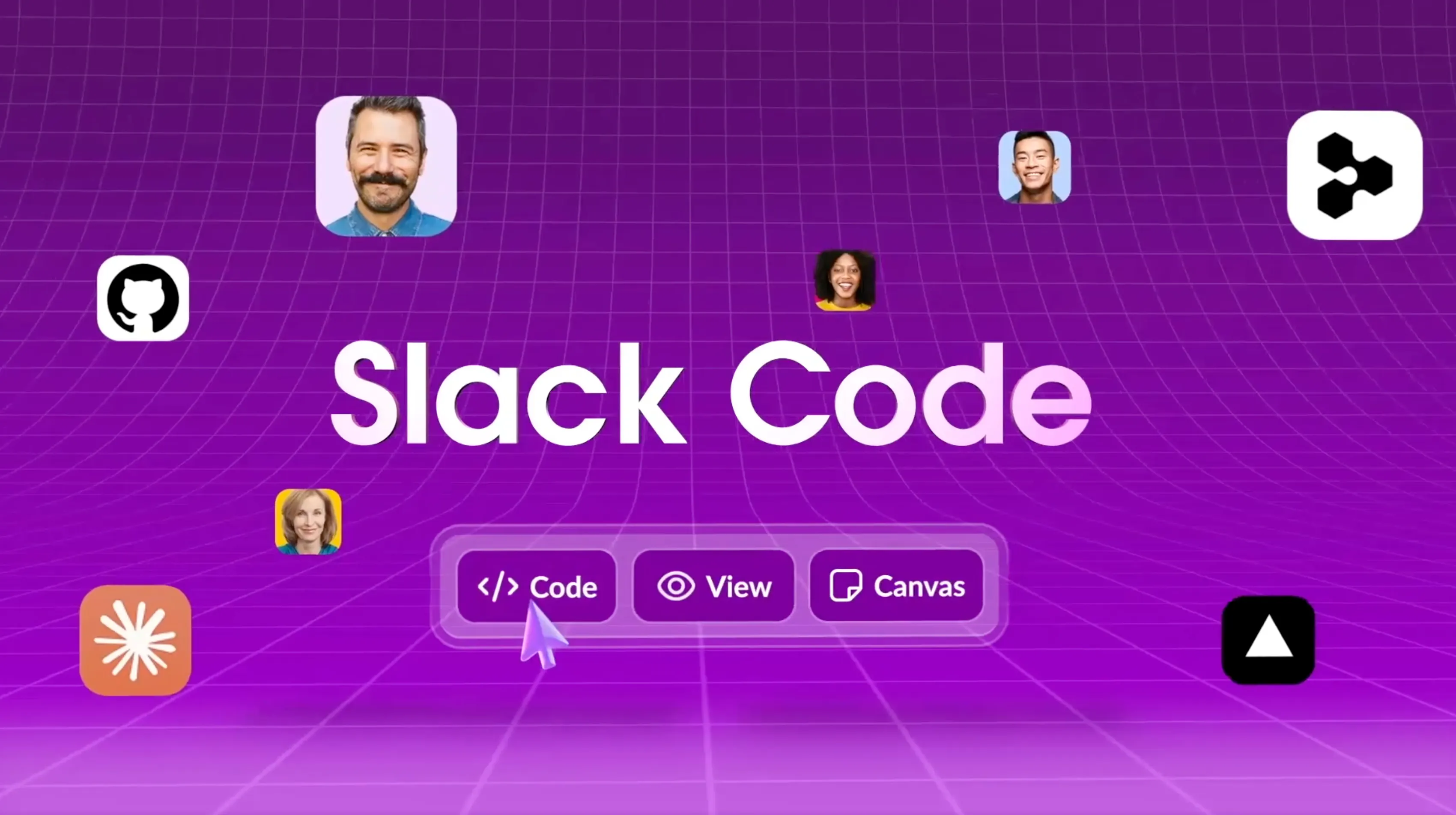
Humans and agents. Same channel. Same work.
Slack Code is an innovative integration that brings human agents and AI-powered assistants together within Slack, enabling seamless collaboration on coding and technical tasks. Designed for developers, support teams, and product managers, it allows users to interact with AI agents from companies like AnthropicAI, GitHub, Cognition, and Vercel directly in their existing Slack channels. This integration simplifies workflows by eliminating the need to switch platforms, fostering real-time problem solving, code review, and project management. Its unique value lies in creating a unified environment where humans and AI agents can work side-by-side, enhancing productivity and reducing communication bottlenecks. Launched recently, Slack Code aims to streamline technical collaboration, making it easier for teams to deploy, debug, and improve code collaboratively within their familiar Slack workspace.
Pros
- Seamless integration within Slack for real-time collaboration
- Supports multiple AI agents from leading tech companies
- Reduces context switching between tools
- Facilitates faster code reviews and troubleshooting
- Encourages collaborative problem solving between humans and AI
Cons
- Limited information on pricing and subscription tiers
- May require technical setup and onboarding for some teams
- Potential dependency on AI accuracy and reliability
Best for
- • Real-time coding assistance and troubleshooting in Slack channels
- • Collaborative code review sessions involving both humans and AI agents
- • Automated answering of technical questions for support teams
- • Rapid prototyping and feedback during development sprints
Pricing: Likely employs a freemium model with basic features available for free and premium plans offering enhanced integrations or AI capabilities, though specific details are not publicly confirmed.