BridgeTel vs ProductBridge
Side-by-side comparison of features, pros & cons, pricing, and community votes (2026).
🏆 ProductBridge leads with 592 upvotes
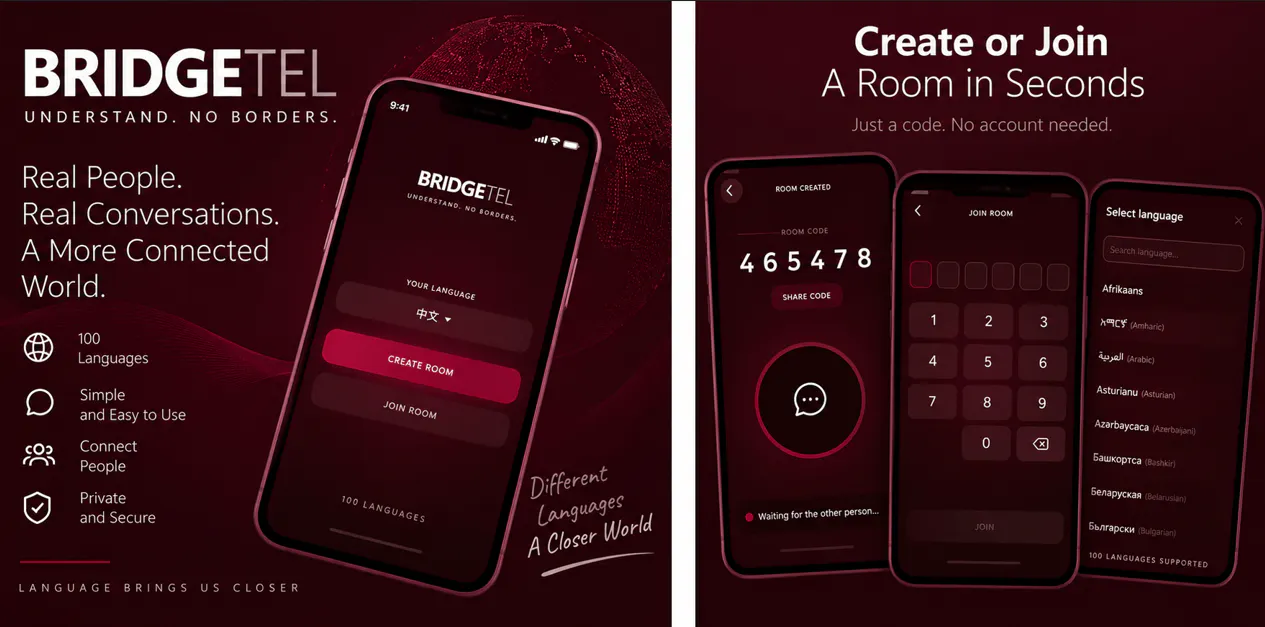
Chat in your language. Understand theirs.
BridgeTel is an innovative communication tool designed to bridge language barriers in real-time conversations. It enables two users to join a shared virtual room, each selecting their preferred language, while the platform seamlessly translates their messages, allowing for natural and fluid dialogue. This makes BridgeTel particularly valuable for international teams, language learners, or global customer support, where understanding across languages is crucial. Its user-friendly setup requires no complicated configurations—simply create a room, share the code, and start talking. Currently in closed beta on Android, BridgeTel aims to simplify multilingual communication and foster genuine connections regardless of language differences.
Pros
- Real-time language translation for seamless conversations
- Easy setup with simple room creation and sharing
- Supports multiple languages tailored to user preferences
- Ideal for international collaboration and multilingual interactions
- No technical expertise required to get started
Cons
- Limited availability as it is still in closed beta
- Potential translation inaccuracies depending on language pairs
- Limited platform support (Android only at this stage)
Best for
- • International team meetings and collaborations
- • Language learning practice with native speakers
- • Global customer service interactions
- • Cross-cultural social conversations
Pricing: Pricing not verified

Agent that collects feedback across multiple platforms
ProductBridge is an innovative feedback collection platform designed to centralize user insights from multiple channels such as Slack, Intercom, review sites, and direct messages. By leveraging AI, it automatically aggregates, organizes, and deduplicates feedback, enabling product teams to focus on what users truly want. The platform facilitates a seamless feedback loop, allowing users to request features, upvote ideas, and track their progress through a transparent public roadmap. Teams can prioritize features based on real data, publish changelogs, and automatically notify users when their requests are addressed. Its all-in-one approach simplifies communication, enhances user engagement, and accelerates product development. With flat pricing, no seat fees, and a straightforward model, ProductBridge aims to make feedback management accessible and efficient for SaaS companies of all sizes.
Pros
- Centralizes feedback from multiple platforms into one intuitive dashboard
- Automated AI-driven organization, deduplication, and prioritization
- Supports transparent user engagement through roadmaps and notifications
- Flat, predictable pricing with no seat fees or hidden costs
- Simplifies the feedback loop, reducing manual effort
Cons
- May require initial setup and integration effort across platforms
- Limited customization options for advanced workflows
- Dependence on AI accuracy for organizing complex feedback
Best for
- • Collecting and managing user feedback from support tickets, social media, and review sites
- • Prioritizing feature requests based on user votes and engagement
- • Maintaining a transparent product roadmap that communicates progress to users
- • Automating notifications and changelog updates to keep users informed
Pricing: Likely operates on a flat, subscription-based pricing model with no seat fees, appealing to teams seeking predictable costs. Specific tiers or plans are not publicly detailed but are expected to scale based on usage or features.