Brandforge vs Canva AI 2.0
Side-by-side comparison of features, pros & cons, pricing, and community votes (2026).
🏆 Brandforge leads with 0 upvotes

White Label AI Brand Builder
BrandForge is an innovative white-label AI-powered platform designed for hosts, entrepreneurs, and marketing agencies looking to create and launch their own branded identity tools. It enables users to generate logos, business names, websites, and comprehensive brand kits seamlessly under their own brand, simplifying the branding process with AI assistance. Its white-label nature allows agencies and entrepreneurs to offer branded branding solutions to their clients, enhancing service offerings without building tools from scratch. What sets BrandForge apart is its focus on automation, customization, and ease of use, making it accessible for users with varying levels of technical expertise while maintaining a professional, branded experience.
Pros
- Enables rapid creation of branded logos, websites, and brand kits
- White-label platform allows for full customization under your own brand
- AI-powered tools streamline the branding process, saving time
- Suitable for agencies, entrepreneurs, and hosts looking to scale branding services
Cons
- Limited information on specific features and capabilities
- No visible pricing details or subscription plans available publicly
- ProductHunt votes indicate limited user feedback or adoption at this time
Best for
- • Launching personalized branding kits for new startups
- • Providing branded logo and website creation services for clients
- • Scaling branding solutions for marketing agencies
- • Automating brand identity generation for events or campaigns
Pricing: Pricing not verified
AI that creates with you, and connects to your world
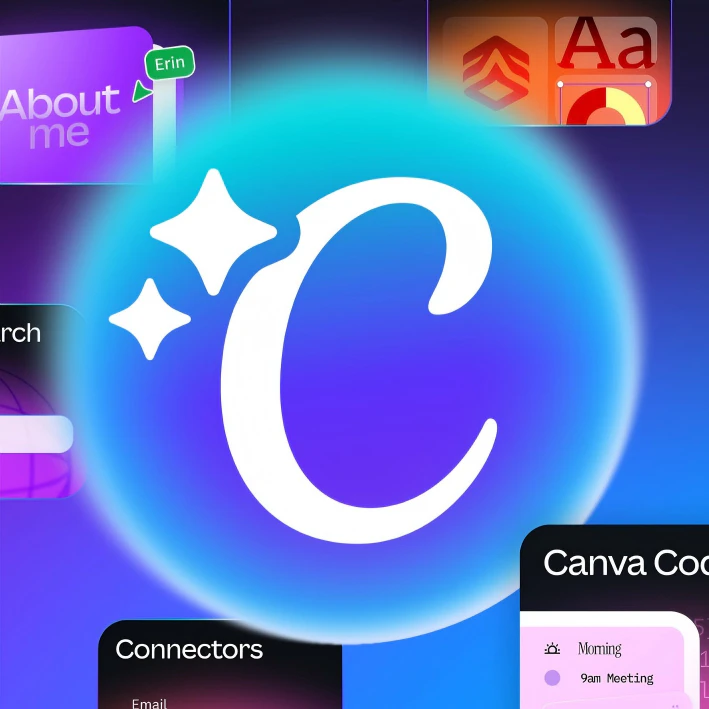
Canva AI 2.0 elevates the popular design platform by integrating advanced AI capabilities that make creative processes more intuitive and efficient. It transforms Canva into a conversational, agentic environment where users can generate layered, editable designs simply by providing prompts. This innovation allows both individuals and teams to streamline their entire creative workflow—from initial concept to final publication—within a single platform. With its ability to remember user styles and brand assets, connect seamlessly to other tools, and produce complex designs on demand, Canva AI 2.0 is ideal for marketers, content creators, and design teams seeking to accelerate their creative output without sacrificing quality. Its user-friendly approach makes AI-powered design accessible to users of all skill levels, fostering faster iteration and more personalized results.
Pros
- Enables rapid, AI-generated layered designs from simple prompts
- Remembers user styles and brand assets for consistent branding
- Seamless integration with existing Canva tools and external platforms
- Supports collaborative teamwork within a unified workspace
- Reduces time spent on manual design adjustments
Cons
- Still in early adoption stages, potential for limited features compared to mature tools
- Dependence on AI may result in less control over nuanced design choices
- Pricing and availability details are not fully clarified
Best for
- • Creating quick social media graphics and ads
- • Designing branded marketing materials effortlessly
- • Brainstorming and visualizing ideas through conversational prompts
- • Streamlining team collaboration on visual projects
Pricing: Likely operates on a freemium model, offering basic features for free with premium plans that unlock advanced AI capabilities and team functionalities, starting around $10-$20/month. Exact pricing details are not explicitly confirmed.