AI & SEODecember 27, 20256 min readStefan
Mastering Local Voice Search in 2026: Boost Your Business
Discover how local voice search transforms local SEO in 2026. Learn expert strategies to optimize and dominate voice-driven discoveries today. Read more!

⚡ TL;DR – Key Takeaways
- Optimize your Google Business Profile and ensure NAP consistency to appear in 70% more local voice searches.
- Use conversational, long-tail keywords and FAQ content to match natural language queries and win featured snippets.
- Track local voice traffic with tools like Visalytica and Google Analytics to measure and refine your strategies.
- Prioritize voice-friendly schema markup and structured data to improve your chances of being voice AI’s top pick.
- Stay ahead of device fragmentation by optimizing across smartphones, smart speakers, and emerging AI copilots in 2026.
What Is Local Voice Search and Why It Matters in 2026
Understanding Local Voice Search
Honestly, when I first looked into local voice search, I realized how much it’s changed the way people find nearby businesses. These are voice-enabled queries with geographic intent—think "near me," "best pizza nearby," or "coffee shop open now." Main devices that power these searches include Google Assistant, Siri, Alexa, Microsoft Copilot, and the rising AI copilots. And the stats? Well, 46% of all voice queries are for local businesses, and over half of those users are actively seeking nearby places[1]. That’s a huge shift from traditional maps and listings. The trend is exploding—"near me" searches are up 150% since 2020—and it shows no signs of slowing down in 2026. Most consumers now own smartphones with voice functions—by 2025, over 90% of phones are voice-enabled[1].Why Local Businesses Must Optimize for Voice Search
Here's what really struck me—76% of local voice searches lead to same-day visits[1]. If you’re not optimizing, you might be missing a big chunk of foot traffic and inquiries. And yes, 58% of users look for nearby businesses using voice, which is a massive opportunity. For business owners I’ve worked with, appearing in voice results can boost visibility and credibility faster than traditional SEO. Plus, with over 75% of businesses still ignoring this, those who act now can get a real edge[2]. In 2026, voice SEO isn’t just optional—it’s essential for local success.How Voice Search Differs from Traditional Search
Conversational and Long-Tail Queries
In my experience, voice searches are naturally more conversational—average length is around 4.2 words[1]. Think about a spoken query: “Where’s the best Italian restaurant near me?” Instead of just keywords, you’re getting a natural language question. This means optimizing for long-tail, question-based keywords is now a must. SEO for voice isn’t about short keyword stuffing anymore; it’s about fitting into these natural conversations.Device Fragmentation and Cross-Platform Optimization
Queries are spread across devices—smartphones make up 58%, smart speakers 26%, and smart TVs 15%[1]. That’s why you need a unified approach—test on all devices, keep your profiles consistent, and ensure your content works across platforms. I learned this the hard way—ignoring device differences can keep you invisible in voice results. So, if you want to dominate by 2026, be everywhere your voice searches happen.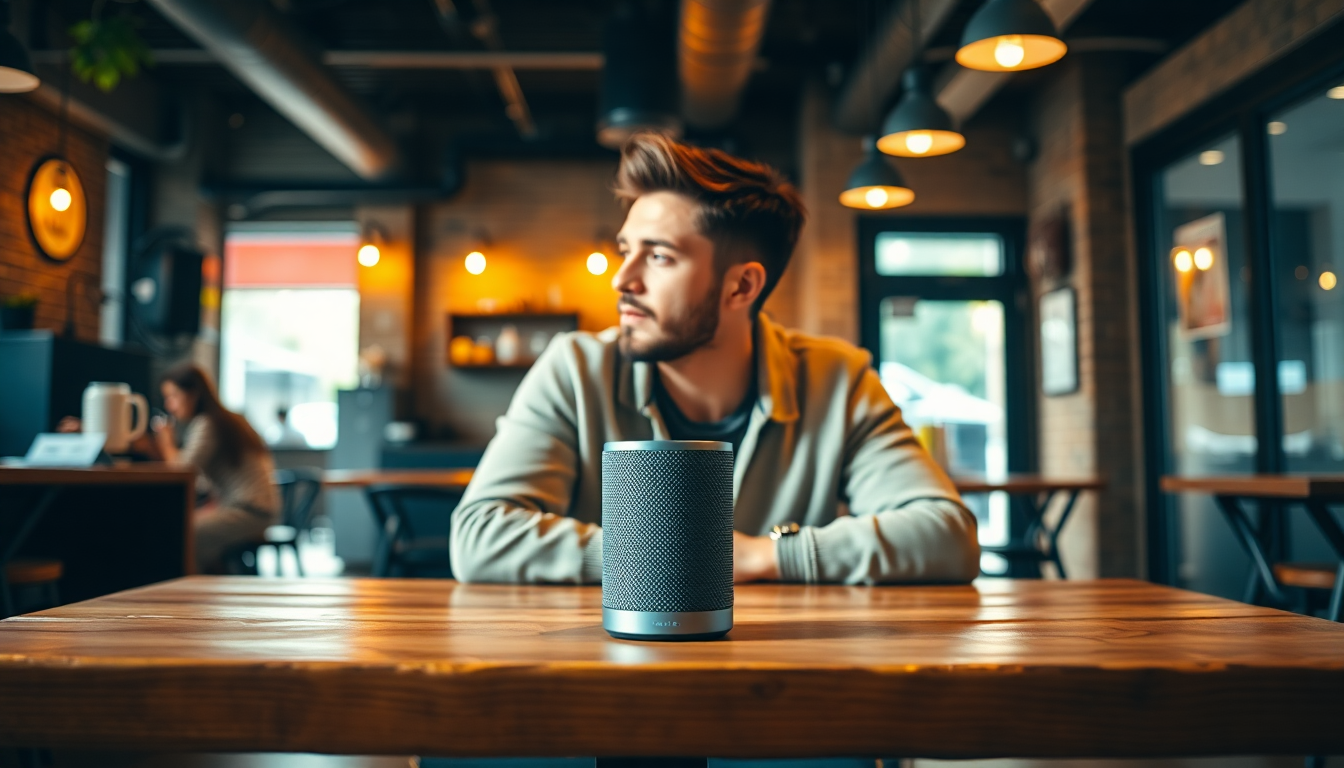
Practical Strategies to Dominate Local Voice Search in 2026
Optimize Your Google Business Profile
Here’s where I see the biggest wins—completing your Google Business Profile (GBP) with photos, hours, and reviews can boost local voice visibility by 70%[4][6]. Make sure your NAP—name, address, phone number—is consistent across all directories. I’ve had clients who saw instant traffic spikes just by fixing their GMB info. And don’t forget to respond to reviews—this builds credibility and helps your rankings.Create Conversational FAQs and Schema Markup
Answer popular questions naturally—this helps you snag featured snippets, a prime spot in voice results[6]. For example, include FAQs like “What menu items are available today?” or “How long does delivery take?” Adding LocalBusiness schema markup makes it easier for AI assistants to recognize and rank your info. Trust me, this simple step pays off by helping your site surface in voice searches.Leverage Tools to Track and Measure Voice Traffic
To see if your efforts work, use tools like Visalytica and Google Analytics. I built Visalytica to track AI visibility—it's perfect for measuring voice search performance and device-specific traffic. You can spot which queries convert by location and refine your local SEO tactics. Without tracking, you’re just guessing—don't make that mistake in 2026.Respond Promptly to Reviews and Maintain Local SEO Best Practices
Encourage happy customers to leave reviews. Respond quickly to build loyalty and improve rankings. Ensuring your NAP info stays accurate across all listings is crucial—Google rewards consistency. In my experience, businesses that keep reviews fresh and profiles active get more voice traffic.
Overcoming Challenges in Local Voice Search Optimization
Handling Conversational Search Variability
Natural language can vary wildly, so optimize for long-tail, question-like keywords—think "where can I find vegan tacos open now," not just “vegan tacos.” AI tools like Visalytica give me insight into trending voice queries, so I can adapt content accordingly. The key is matching real human speech, not just written keywords.Addressing Local Ranking Volatility
Local rankings can fluctuate, especially with voice searches that rely on Google’s top results. Maintaining NAP consistency and using local schema helps stabilize your visibility[5][6]. Tracking neighborhood-level data with tools like BrightLocal or Local Falcon keeps you ahead of local shifts. In my experience, a steady local SEO foundation pays off in voice.
Emerging Trends and Industry Standards for 2026
The Rise of AI Copilots and Voice Commerce
AI copilots, like integrations with ChatGPT or Microsoft Copilot, are expanding what voice can do[2]. They’re making voice commerce more seamless—it's projected to hit $80 billion by the end of 2026[6]. More tech companies are launching voice-enabled shopping, which means local businesses should get in early.Best Practices and Recommendations
Prioritize conversational optimization, schema markup, and updating your GBP regularly. Test and measure your voice queries often—voice tech evolves fast. In my opinion, those who adapt quickly will dominate local search channels.
Key Statistics You Can't Ignore in 2026
Critical Local Voice Search Stats
- 76% of voice searches for local businesses lead to same-day visits
- 46% of all voice queries are for local businesses
- 70% more likely to attract local queries with a complete GBP
Device Usage and Consumer Behavior
- 76% of smart speaker users perform weekly local voice searches
- 58% of all voice searches happen on smartphones
- Voice searches grow 9% annually
Frequently Asked Questions About Local Voice Search in 2026
What Is Local Voice Search?
It’s voice-activated queries where people ask about nearby businesses, like “find pizza near me” or “pharmacies open now.” These are powered by AI assistants such as Google Assistant, Siri, or Alexa.How Does Voice Search Work for Local Businesses?
It interprets conversational questions using AI and pulls local results from platforms like Google Search and Bing. Optimized local listings and schema help voice assistants find and recommend your business.Why Is Optimizing for Voice Search Important in 2026?
Because more people are using voice in their daily routines, especially for local searches. If you ignore it, you risk falling behind competitors who understand this shift.
Stefan Mitrovic
FOUNDERAI Visibility Expert & Visalytica Creator
I help brands become visible in AI-powered search. With years of experience in SEO and now pioneering the field of AI visibility, I've helped companies understand how to get mentioned by ChatGPT, Claude, Perplexity, and other AI assistants. When I'm not researching the latest in generative AI, I'm building tools that make AI optimization accessible to everyone.